Overview of outdoor solar light bulbs
What is an outdoor solar light bulb and how it works
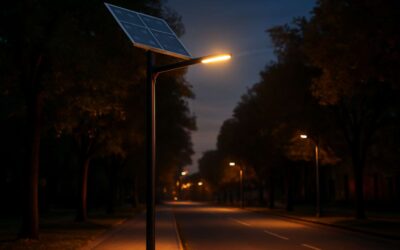
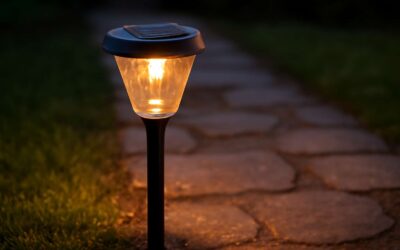
In South Africa, evenings fall into darkness after sunset, and 40% of households endure regular outages. The solar light bulb outdoor acts as a quiet guardian—a compact unit that channels daylight into a warm, reliable glow. It’s a self-contained lighting system: a small solar panel charges a rechargeable battery by day, and LEDs brighten the night.
Inside, a photovoltaic cell, a sealed battery, and a light sensor work in unison. No wiring, no trenching—just dependable light when darkness falls.
- Automatic dusk-to-dawn operation
- Weather-resistant housing for outdoors
- Long-lasting, energy-efficient LEDs
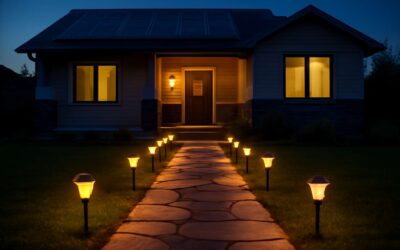
For South African settings, the benefit is clear: gentle illumination that deters shadows without plugging into the grid. Durable, IP-rated housings withstand sun and rain, keeping driveways, paths, and patios inviting after dusk.
Key components of solar bulbs and power flow
In South Africa, evenings fall into darkness as outages bite, with about 40% of households affected. The solar light bulb outdoor arrives as a quiet guardian—simple, reliable, and ready to turn daylight into a warm glow when it matters most.
Inside the unit, three core elements work in concert: a photovoltaic cell, a sealed rechargeable battery, and a light sensor. No wiring, no trenching—just a humane promise kept as dusk settles. Daylight charges the battery; nightfall wakes the LEDs.
- Photovoltaic cell converts daylight to electrical energy
- Sealed rechargeable battery stores energy for night use
- Light sensor detects darkness and triggers illumination
For South African settings, the result is gentle illumination that guards driveways, paths, and patios. It withstands sun and rain, a resilient companion in the face of outage and weather.
Benefits of solar lighting in outdoor spaces
In South Africa, outages affect roughly 40% of households after sunset. The solar light bulb outdoor arrives as a quiet guardian—simple, reliable, and ready to turn daylight into a warm glow when it matters most.
- Low energy costs from daylight-powered operation
- Simple installation—no wiring or trenching required
- All-weather durability that stands up to sun and rain
- Better safety with clear, welcoming illumination along paths and driveways
For South African spaces, it offers gentle illumination that steadies driveways, patios, and entrances throughout the night, even when the grid falters.
Common myths about outdoor solar bulbs and realities
Across South Africa, outages after sunset affect roughly 40% of households. A solar light bulb outdoor arrives as a quiet guardian—simple, reliable, and ready to turn daylight into a warm glow when it matters most. It offers gentle, even illumination for outdoor spaces, without the fuss of wiring or trenching.
Common myths about outdoor solar bulbs and realities—we unpack them below:
- Myth: Outdoor solar bulbs won’t work on cloudy days or in winter. Reality: Modern solar cells and larger batteries capture daylight efficiently and still deliver usable light.
- Myth: They require heavy maintenance or complicated wiring. Reality: No trenching, weatherproof housings, and long-life LEDs keep upkeep minimal.
- Myth: They can’t compete with grid lighting. Reality: When placed strategically, they provide steady, safe illumination that enhances safety after dark, even during outages.
For South African spaces, this approach translates to consistent curb appeal and safety after dusk, without overburdening your electricity bill.
Selecting the right outdoor solar light bulb
Brightness benchmarks: lumens, color temperature, and perception
In South Africa, dusk-to-night lighting is a common choice, yet the right solar light bulb outdoor can cut energy use while elevating curb appeal. The secret lies in brightness benchmarks: lumens, color temperature, and perception.
Lumens quantify brightness, not wattage. For ambient garden glow, 100–200 lumens works; for path lighting, 200–400 lumens. Color temperature guides mood: 2700–3000K feels warm and inviting, 3500–4100K neutral for clarity, 5000K+ crisp for security. Perception matters—the same lumen count may feel brighter under a dark sky than near a streetlight.
- Lumens: ambient (100–200); path lighting (200–400)
- Color temperature: warm (2700–3000K); neutral (3500–4100K); cool (5000K+)
- Perception: influenced by surrounding light and contrast
Battery types, life cycles, and performance in different climates
Power that lasts past dusk can reshape your outdoor space—and in South Africa, a single well-chosen battery turns a solar light bulb outdoor into a dependable beacon. “If the battery can endure the night, the garden never sleeps,” a local installer often reminds me.
Battery types drive life cycles and reliability. Here’s a quick guide to what you’ll encounter:
- NiMH: cost-effective, decent cycle life for modest use
- Li-ion / LiFePO4: higher energy density, longer life, better temp tolerance
- SLA (sealed lead-acid): affordable, rugged, but heavier and shorter cycle life
Performance in varying climates hinges on temperature and humidity. In heat, choose chemistries with good high-temp stability; in cooler nights, capacity matters. Look for wide operating ranges and clear cycle-life ratings to ensure the light remains a steady sentinel through SA’s changing seasons.
Charging efficiency: sun exposure, panel size, and angle
South Africa thrives on sun, and a solar light bulb outdoor can turn a dim evening into a welcoming scene. When the charge lasts, your garden feels alive past dusk—that’s the promise. Experience shows the trick is simple: pick the right unit and position it where the sun shines most of the day.
Charging efficiency hinges on sun exposure, panel size, and angle. Consider these:
- Direct sun exposure for most of the day, avoiding shade from trees or structures.
- Panel size that matches energy needs and SA’s typical sun hours.
- Angle to align with the sun’s path across seasons in SA.
In heat and clear skies, the glow stays dependable; in clouds and chill, the right panel and orientation keep it steady, and that’s what makes a garden feel truly alive.
Durability and weather resistance for outdoor use
On a Durban-drenched evening, I’ve learned that a rugged solar light bulb outdoor holds its vigil while others falter. Durability matters: choose a unit built to withstand SA’s capricious weather—heat, hail, and humid nights. Seek a sturdy casing and materials that resist corrosion, with gaskets that refuse to surrender to rain. A well-chosen bulb stays lit, season after season, and that’s the quiet mercy of decent engineering.
Consider these durability anchors:
- IP rating of at least IP65 for rain and dust
- UV-stable housing to resist sun-weathering
- Corrosion-resistant materials and sealed electronics
- Wide operating temperature range suitable for SA nights
With these guards, the garden’s glow remains faithful, and the night becomes something like a cathedral lit from within!
Solar panel placement and impact on performance
Across South Africa, the sun is a relentless conductor, yet up to 25% of potential energy never becomes night-bright because of misaligned panels. I watch a solar light bulb outdoor settle into the garden and feel the quiet mercy of well-tuned light—an anchor for the dark, not loud, but sure.
Selecting the right outdoor solar light bulb outdoor is about listening to the sky. The impact on performance hinges on sun exposure, seasonality, and the panel’s stance—the more honest the sun, the deeper the glow when night arrives.
- Seasonal sun exposure
- Nearby shade obstacles
- Panel quality and weather sealing
Under the southern twilight, the garden’s glow feels cathedral-like, lit from within by a solar light bulb outdoor.
Installation and placement strategies
Optimal placement for safety and effective illumination
In South Africa, a well-placed outdoor glow reshapes evenings—a recent survey shows 62% of homeowners feel safer when lighting follows a thoughtful layout. For a solar light bulb outdoor, placement becomes a quiet strategy: safety, comfort, and crisp visibility align like stars along a friendly path.
Think of the layout as a lantern for your landscape. Prioritize entryways, paths, and seating zones, ensuring light isn’t aimed at neighbors’ windows and that glare is kept at bay. Orient panels to catch the sun across the day, so the glow endures from dusk to last light.
- Prioritize walkways and entryways for immediate visibility and safety.
- Align solar panels with the sun’s path to sustain performance.
- Maintain clear sightlines to avoid unwanted shadows and glare.
When this balance is achieved, your space glows with quiet confidence—a practical enchantment that welcomes guests and invites late-night strolls under starry skies.
Fixture compatibility and mounting options
Lights should feel inevitable, not accidental. In the SA backyard, installation is the quiet craft that makes evenings sing. “Lighting is the seasoning of outdoor life,” a designer once said, and the right placement does the seasoning work for you.
For a solar light bulb outdoor, mount on a clean surface and face the panel toward sun for maximum charge. Choose among these practical options:
- Wall brackets for exterior walls
- Post mounts along paths or verandas
- Ground spikes for beds and borders
Fixture compatibility matters: weatherproof seals, corrosion-resistant finishes, and compatible connectors keep maintenance simple. Look for IP65 or higher and modular designs so you can swap parts without drama.
Keep sightlines clear and avoid glare into windows. With thoughtful mounting, the solar light bulb outdoor glows with quiet, practical charm after dusk.
Smart features and automation for convenience
Placement is the quiet seam where day fades into night. In South Africa, up to 60% of outdoor lighting energy use can vanish with solar solutions, transforming evenings from expense to ritual. A solar light bulb outdoor mounted on a clean surface, with its panel facing the sun, charges as if bending time for me—the night’s silent ally.
A few installation and placement strategies that keep the glow reliable without drama:
- Automatic dusk-to-dawn or programmable timers for predictable lighting
- Motion-activation tuned to pedestrian paths for energy efficiency
- Modular components that swap in seconds when weather or style changes
Let automation do the thinking: dusk-to-dawn sensors, adjustable timers, and smart controls let the solar light bulb outdoor respond to people, weather, and mood. Simple settings can extend life and curb waste; in practice, the sun becomes a daily rhythm, not a forgotten habit.
Wiring considerations, IP ratings, and waterproofing
In the hush of dusk, the placement of a solar light bulb outdoor becomes a quiet map for the night. Mount it on a clean surface, panel facing the sun, and watch pathways glow with a gentle, steadfast confidence.
Key considerations weave wiring, protection, and weathering to keep glow steady without drama:
- Wiring considerations: route cables neatly, use waterproof connectors, and avoid tripping hazards.
- IP ratings: look for units with at least IP65 to resist dust and water exposure.
- Waterproofing and seals: ensure gaskets stay pliant and housings seal against seasonal rains.
South Africa’s climates demand robust waterproofing; a solar light bulb outdoor should shrug off coastal winds and heat, maintaining brightness through sudden downpours and stifling heat. Choose materials with corrosion resistance and UV-stable housings for longevity.
Seasonal considerations and rotation tips
Light is hospitality you can carry in your pocket—South Africa’s nights are long, but a well-placed solar light bulb outdoor keeps them welcoming. For installation, mount on a clean surface, panel facing the sun, and set the height to balance safety with broad illumination. Keep it out of foot traffic and away from reflective surfaces that misdirect the beam.
- Position north-facing panels to maximize winter sun while catching full-day light in summer.
- Regularly clean the panel from dust and pollen, especially after dry spells or veld fires.
- Check for shade changes from seasonal foliage and prune as needed.
- Rotate units between exposed and slightly shadier locations to equalize brightness over time.
Seasonal considerations focus on adjustment rather than overhaul: tilt can be tweaked seasonally, and a sturdy mount helps the solar light bulb outdoor cope with SA wind gusts and sudden downpours.
Energy savings, maintenance, and lifespan
Estimating energy savings and payback timeline
Energy savings from a solar light bulb outdoor are not just a promise; they translate to tangible bills. In sunny South Africa, a good solar light bulb outdoor fixture can cut grid lighting load by half or more during evenings, with many homes reaching a payback in roughly 2 to 4 years depending on sun, daily usage, and tariffs.
Maintenance keeps that momentum. Clean the panel occasionally, check seals after heavy rain, and monitor brightness to catch early degradation. Regular checks are quick, rarely disruptive, and essential for sustained performance.
- Wipe the panel with a damp cloth
- Inspect seals for moisture ingress
- Test brightness monthly
Lifespan hinges on battery life cycles and LED quality. With proper care, a robust solar light bulb outdoor setup can endure 5–10 years, sparing you frequent replacements and supporting a steady long-term payback as tech and efficiency evolve.
Routine maintenance to maximize lifespan
Energy savings from a solar light bulb outdoor fixture translate into real bills. In sunny South Africa, a well-chosen setup can cut grid lighting load by half or more during evenings, with many homes reaching a payback of roughly 2 to 4 years depending on sun, usage, and tariffs.
Maintenance keeps that momentum. Routine care is simple and quick:
- Wipe the panel with a damp cloth
- Inspect seals for moisture ingress after heavy rain
- Test brightness monthly
Lifespan hinges on battery life cycles and LED quality. With proper care, a robust solar light bulb outdoor setup can endure 5–10 years, sparing you frequent replacements and supporting a steady long-term payback as technology evolves.
Troubleshooting common issues with outdoor solar bulbs
In South Africa’s sunniest regions, a well-sized solar light bulb outdoor setup can cut grid lighting load by half or more during evenings, with payback typically 2 to 4 years depending on sun, usage, and tariffs.
Energy savings are not theoretical. They drop a household’s monthly bills and steady the balance of a property’s electricity budget, especially when dusk-to-dawn lighting is needed. Routine care keeps that momentum without fuss or expense.
Lifespan hinges on battery life cycles and LED quality. With proper care, a robust outdoor solar lighting setup can endure 5–10 years, sparing replacements and supporting long-term payback as tech improves. Troubleshooting focuses on brightness, panel access, and moisture.
- Panel cleanliness and sun exposure
- Battery health and age
- Moisture ingress and seals
- Wiring connections and controls
Battery and bulb replacement timelines and tips
A well-sized solar light bulb outdoor setup in South Africa’s sun-drenched evenings can soften the grid load and trim monthly bills as dusk settles. The payoff is real—a steady, quiet shift toward energy independence that scales with sun and usage!
Maintenance is straightforward, focusing on core components—optics, connections, and panels. Battery health and LED quality govern lifespan, especially in varied South African climates.
- Battery health and age
- Panel cleanliness and exposure
- Moisture sealing and wiring integrity
Replacement timelines vary with chemistry and climate. Expect batteries to cycle over a few years, while LEDs often outlast curbside seasons, keeping outdoor lighting dependable as tech evolves.

0 Comments