Benefits and Core Reasons to Choose Solar Lights
What solar lights are and how they work
The sun is the most tireless employee in town, and solar lights are its best-performing side gig—quiet, reliable, and surprisingly stylish. In South Africa, the payoff is clear: fewer maintenance calls, more curb appeal, and a glow that never calls in sick. In short, why solar lights? They’re a smart, sun-fed way to brighten outdoors without drama.
What solar lights are and how they work: a compact solar panel harvests daylight, charging a rechargeable battery. A controller and sensor then switch an LED on at dusk—no wiring, just resilience and a dash of style.
Benefits:
- Low running costs and minimal maintenance
- Improved security with automatic dusk-to-dawn lighting
- Easy installation without wiring or electricians
Core reasons to choose solar lights include independence from the grid, resilience during outages, and eco-friendly operation—why solar lights? The logic is straightforward, especially for sunny South African spaces.
Energy efficiency and cost savings over time
Energy efficiency powers the quiet revolution of outdoor lighting. Solar lights sip daylight and repay it with free, reliable illumination after dusk, slashing running costs and reducing maintenance fuss. In sunny South Africa, panels drink the sun with ease while batteries hold its warmth for long evenings. The result is a glow that pays for itself, season after season, adding subtle glamour to your perimeter. This is why solar lights.
- Lower electricity bills and predictable maintenance
- Faster installation with no trenching or wiring
Core reasons to choose solar lights extend beyond savings. They offer independence from the grid, a quiet shield during outages, and eco-friendly operation without fuss. The sun does the heavy lifting, converting daylight to durable glow with little disruption to your landscape. For sun-drenched South African spaces, that logic is straightforward—and why solar lights continue to win footholds in discerning outdoor schemes. That circles back to why solar lights matter for modern curb appeal.
Low maintenance and ease of use
“Light is a lifeline after dark,” say South Africans, and solar lighting delivers it with minimal fuss. Low maintenance and ease of use are the quiet champions, delivering ambience without regular repairs or rewiring.
This is why solar lights: simple to install, built to endure our sun-drenched days, and ready to glow automatically as dusk settles. They keep boundaries secure with minimal effort.
- Hassle-free upkeep and durable components
- Autonomous operation through day-to-night cycles
- Weather-ready design for heat, wind and rain
Environmentally friendly and sustainable design
South Africa basks in abundant sunshine, and that energy should light more than a day. They show why solar lights offer practical security without a monthly bill. The result is a welcoming atmosphere that fits any landscape with ease.
Environmentally friendly and sustainable by design, solar lights minimize waste and maximize life. Rechargeable cells, durable housings, and recyclable components reduce emissions and prolong outdoor ambience. They help lower the environmental footprint while supporting local manufacturing and clean energy adoption.
- Zero running costs after installation
- Prolonged lifespans and recyclable materials
- Low upkeep while maintaining performance
By choosing solar lights, you embrace a resilience strategy: independent day-to-night operation, automatic dusk-to-dawn glow, and construction designed for South Africa’s heat and wind. The design ethos centers on harmony with the environment while delivering dependable illumination when it’s needed most.
Comparing Solar Lights to Traditional Lighting
Energy use and operating costs comparison
In South Africa, the sun is a service you pay for once. When you compare energy use, solar lights rely on stored daylight rather than continuous grid power, trimming ongoing electricity costs that traditional outdoor lamps rack up as the sun sinks and outages begin. This is at the heart of why solar lights appeal to businesses and households alike.
Key contrasts at a glance:
- Energy source is solar, not grid-dependent.
- Running costs are lower because daylight charges the system and there are no monthly electricity bills.
- Maintenance tends to be infrequent, with longer intervals between bulb or battery replacements.
In the South African context, solar lights can improve security and ambiance during outages without complicated wiring, and the long-term savings on energy bills reinforce energy efficiency and sustainability goals.
Performance in varying weather and seasons
South Africa basks in roughly 2,500 hours of sunshine a year, making solar lights a compelling choice. This is a prime example of why solar lights deserve a serious look. When weather shifts—from blistering heat to drizzle-filled winter—their true mettle shows up, turning daylight into reliable illumination even as the grid stumbles.
Their performance flexes with season and sky. Consider the variables below:
- Sunlight hours and angle: longer, brighter days charge more energy for night-time use
- Cloud cover and rainy spells: dim days trim stored energy and run time
- Temperature effects on battery efficiency: extreme heat or cold can tweak brightness and duration
Compared to traditional lighting, the difference is clear: no wires, no fuel, just stored daylight keeping paths lit through outages and outages-adjacent moments. In practice, this seasonal rhythm proves why solar lights align with South Africa’s reliable outdoor illumination goals.
Lifespan, warranty, and maintenance needs
Lifespan and warranties shape the value proposition of any outdoor lighting choice. Solar lights, built with sealed LEDs and durable batteries, often outlast many traditional fixtures. Expect warranties from two to five years, with some premium models offering longer coverage.
Maintenance expectations are straightforward, keeping costs and peace of mind predictable.
- Panel resilience and enclosure sealing
- Warranty scope and transferability
- Battery chemistry and lifecycle expectations
This is why solar lights are a compelling choice for South Africa’s outdoor spaces; their longevity and minimal upkeep translate into dependable performance even when the grid stumbles.
Aesthetics, design options, and placement flexibility
South Africa’s evenings deserve a brighter, smarter ambience, and solar lights deliver that with a quiet flourish. The appeal is simple: why solar lights deliver illumination without visible wiring, letting clean lines and textures take center stage along pathways and patios. The result is an elegant, unobtrusive glow that respects architectural intent while inviting linger and conversation!
- Path bollards along driveways and walkways
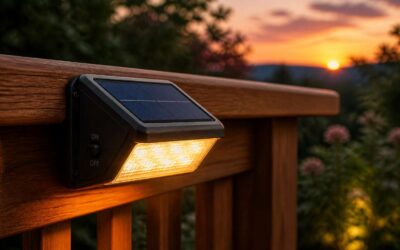
- Wall-mounted lanterns for patios and verandas
- Small stake lights to accent flowerbeds or statues
From sleek bollards to discreet wall lanterns, solar variants offer versatile aesthetics that traditional fixtures struggle to match. Their placement flexibility is the real advantage: no trenching, no electrician delays—just attach to a wall, stake into soil, or crown a feature with adjustable height, and reposition as tastes evolve.
Types and Technologies in Solar Lighting
Photovoltaic panels: types and efficiency
The sun is South Africa’s patient investor, and its yield grows brighter with every sunrise. Modern photovoltaic panels for solar lighting push efficiency into the mid-20s, delivering steadier nights and less roof-space needed. Crystalline silicon and flexible thin-film offer distinct paths.
- Monocrystalline silicon: the sleek, high-efficiency choice with clean lines and strong shading tolerance.
- Polycrystalline silicon: a balanced performer that lowers upfront cost without sacrificing reliability.
- Thin-film (a-Si, CdTe): flexible, lightweight, and well-suited to curved or irregular surfaces.
Inside, propulsion comes from efficient LEDs, smart controls, and storage that speaks to reliability. MPPT (maximum power point tracking) harvests more energy, while PWM keeps circuits simple. Batteries—lithium-ion or NiMH—store light for the night, protected by weatherproof housings that endure SA’s sun and wind.
All of this explains why solar lights remain a luminous, aspirational choice for homes and communities seeking resilience, beauty, and sustainable futures!
Battery storage: chemistry, life, and charging behavior
When the sun sinks behind the SA skyline, the real magic is in the battery—storage that keeps daylight dancing through the night. In South Africa’s climate, chemistry, life cycles, and charging behavior determine how long the glow lasts after sunset.
Battery storage hinges on chemistry, life, and charging behavior. The main players are:
- Lithium‑ion families (notably LiFePO4): high energy density, long life, strong tolerance to temperature swings
- Nickel‑metal hydride (NiMH): robust, affordable, decent cycle life
- Solid‑state and evolving chemistries: safer, longer‑lived options on the horizon
Life spans depend on cycles and depth of discharge, with temperature nudging performance. Charging behavior—how the controller manages top‑ups and protects against overcharge—shapes reliability through winter nights and summer storms. It helps explain why solar lights remain a trusted choice for homes and communities.
Lighting tech: LEDs, brightness, color temperature
LEDs have turned outdoor lighting from a fickle afterthought into a precise craft. Brightness now rides on lumens rather than stubborn wattage, and color temperature guides mood—from warm ambers that welcome guests to crisp whites that reveal a staircase at dusk. In South Africa, these characteristics partner with efficiency, durability, and style. I admit, a well-chosen solar light can feel like a courteous invitation into the night! This is part of why solar lights matter.
Key considerations include:
- Brightness expressed in lumens, not watts.
- Color temperature options, from warm 2700K to cool 6500K.
- Beam angle and light distribution for pathways or ambient glow.
- Color Rendering Index (CRI) for true tones in your space.
With that vocabulary, the garden becomes a stage set for practical elegance—where efficiency meets empathy and every beam serves a purpose.
Smart features and automation
Across South Africa, the night is being reimagined with solar lighting that behaves as more than a fixture. The market’s latest shift is toward intelligent illumination—more flexible, more responsive—so your garden can tell a story without wasting a watt.
Smart features turn ordinary lamps into quiet partners: dusk-to-dawn sensors, motion triggers, and adaptive brightness that respects both energy budgets and neighbours.
- Motion and ambient light sensing
- Remote control and scheduling
- Geofenced or scene-based automations
Types and technologies now ride on modular design: compact path lamps, robust flood lights, and decorative strings that scale with a click or a tap.
That’s the essence of why solar lights endure as a stylish, sustainable night partner.
Buying Guide: How to Choose the Right Solar Lights
Assess brightness, beam angle, and coverage for your space
South Africa enjoys around 2,500 hours of sunshine each year, turning outdoor lighting into a daily harvest rather than a hurdle. This is why solar lights deserve careful attention: brightness, beam angle, and coverage must align with your space and its shadows.
- Brightness: choose lumens suited to ambiance or security needs.
- Beam angle: narrow for perimeters, wide for paths.
- Coverage: map overlaps to prevent dark patches.
In varied conditions, mounting height and sun exposure shape performance more than wattage ever could! A taller post often yields even illumination, while shaded corners deserve placement that balances charging with nighttime presence.
Durability and weatherproofing ratings (IP and IK)
South Africa enjoys about 2,500 hours of sun a year—the kind of sunshine that invites outdoor fixtures to outlive dusk. This Buying Guide zeroes in on durability and weatherproofing, the quiet backbone of solar lighting.
Durability hinges on ratings: IP and IK. An IP65+ enclosure keeps dust out and rain from turning sockets into tragedy; IK ratings measure impact resistance, with IK10 tolerating knocks. Coupled with UV-stable housings and corrosion-resistant metals, these specs keep luminance steady through SA’s sun and wind. This is why solar lights stay relevant in SA’s climate where reliability matters.
Consider these pillars:
- IP ratings explain dust and water protection; higher numbers mean stronger sealing.
- IK ratings gauge impact resistance; higher numbers imply tougher casings against knocks.
- Seals, gasket integrity, UV-stable materials extend lifespan in SA’s sun and heat.
Scarce yet sturdy, these details translate into dependable lighting after dark.
Installation options and mounting considerations
South Africa brims with daylight—about 2,500 hours a year—and your night lighting should ride that sun, not fight it. The buying guide for installation options asks not just where to place a fixture, but how it interacts with your space and routine!
Consider these installation options:
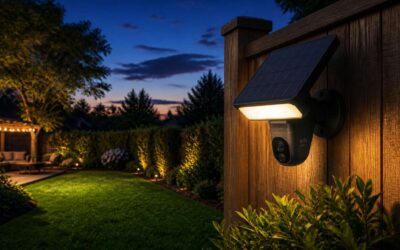
- Wall-mounted units on eaves, fences, or pillars
- Ground stakes along paths or garden borders
- Freestanding posts for driveways or entryways
- Ceiling-mounts under awnings for sheltered areas
Mounting choices should respect sun exposure, shading, and wind. Elevate panels for daylight capture but avoid glare; secure fittings to withstand SA winds; choose rust-resistant hardware and tidy fixings to keep a clean look and reduce theft risk.
When you balance these options, you understand why solar lights become not only practical but a quiet moral fixture after dark.
Budget-friendly recommendations by use case
South Africa basks in abundant sun, but every dusk deserves reliable illumination, not a bill shock. This is precisely why solar lights are so compelling—a clean, practical ally that thrives in SA conditions, a moonlit herald at the edge of night.
- Pathways and borders: opt for low-profile stake lights with warm LEDs to guide footsteps without overspending.
- Entrances and patios: choose motion-activated units to conserve charge while enhancing security and curb appeal.
- Garden accents: use compact uplights for focal features, pairing with reflective surfaces to stretch light further.
Durability, weather resistance, and a touch of magic complete the bouquet of options, letting homeowners tailor a scene that glows with story and savings after sundown.
Practical Tips to Maximize Solar Light Performance
Site assessment and optimal placement strategies
South Africa basks in abundant sun, yet your solar lighting only shines as brightly as its site allows. A thorough site assessment—an eye for sun arcs, seasonal shade, and sturdy mounting surfaces—transforms a good setup into a great one. This is part of why solar lights shine so well in our climate: the power is there; the trick is alignment.
- Assess sun exposure across the year, noting peak hours and shade gaps.
- Map shade from trees and structures to avoid dimming during winter afternoons.
- Choose mounting height and orientation that maximize coverage without glare.
Finally, test the layout at dusk on a sunny day—note how lamps perform as shadows shift. A thoughtful spacing plan keeps paths safe and spaces inviting, even on overcast afternoons.
Sun exposure, shading, and seasonal performance
The allure of why solar lights lies in turning daylight into evening ambience—no cords, no fuss, just reliable glow in our sun-drenched landscape. In South Africa, success hinges on treating the sun as a cooperative host rather than a fickle spotlight, and that mindset pays off when you align exposure with shade and season.
To sharpen performance, consider these checks as you map the year’s sun and shade to your space:
- Track sun exposure across seasons and note peak hours to anticipate brightness swings.
- Assess shading from trees and structures; winter afternoons deserve extra consideration.
- Choose mounting height and orientation that maximize coverage while keeping glare at bay.
- Test at dusk on a clear day and adjust spacing as shadows shift to preserve path safety.
These practical checks help your lighting hold its own from summer heat to winter gloom, keeping paths safe and spaces inviting without wasting energy.
Maintenance routines: cleaning and battery care
That question—why solar lights—often points to maintenance done with care. In the South Africa climate, the sun is a steadfast ally, and the difference between glow and gloom lies in how we treat panels and batteries. Gentle cleaning preserves coatings and keeps efficiency honest, while respectful battery care sustains consistent output across seasons.
- Gentle cleaning preserves coatings and overall performance.
- Battery health is considered in light of chemistry and charging behavior, without over-tweaking cycles.
- Seals and mounting are regularly assessed to prevent moisture and corrosion, which steal light over time.
Maintenance is about rhythm and respect for the sun; when kept simple, the glow remains faithful.
Troubleshooting common issues and when to replace components
Even after a storm, solar lights still cast a steady glow—proof that light can outlast weather when treated kindly. In South Africa, where sunlight is plentiful, a keen eye for exposure and shade keeps the nights luminous. This is part of why solar lights capture hearts and drive decisions.
- Panel exposure and debris: shading or dust can lag in charging power.
- Light sensor and dusk-to-dawn timing: misreads can shorten nightly runtime.
- Moisture, seals, and corrosion: water intrusion erodes performance and longevity.
When diagnostics point to aging, components may need refreshing: a battery replacement can restore runtime; an LED module can revive brightness, and a panel with reduced efficiency may warrant upgrade. Check warranties and cost against long-term savings as seasons turn.

0 Comments