What Are Solar Lights You Can Mow Over?
Mow-Through Durability and Impact Resistance
Gardens hum with a quiet menace when the lawnmower sings. A light that survives that hymn is rarer than a moonlit omen. These are solar lights you can mow over: born to endure the blade and the storm, they linger through South Africa’s droughts and downpours alike.
Mow-through durability is more than stubborn plastic; it’s a craft of engineering. The housing is thickened polycarbonate, joints sealed with waterproof gaskets, and solar cells protected behind a hardened lens. In practice, impact resistance translates to lights that shrug off the first grazing blade and the second, as if the grass itself were no threat.
Under the South African sun, these lights keep their vigil after dusk, soaking light by day and pulsing softly by night! They reduce maintenance, stand tall in storms, and keep pathways lit without fear of trampling hands or hooves.
Weatherproofing and IP Ratings
South Africa averages about 2,600 hours of sunshine each year, enough to power nights that never truly dim. Enter solar lights you can mow over—quiet powerhouses designed to survive the rhythm of the lawn and the weather alike. They glow with a steady presence along paths, even after a thunderstorm or a dusty day in the veld.
Weatherproofing goes beyond glossy shells. A true weatherproof build seals the joints, shields the solar cell behind a hardened lens, and stands up to sun and spray. For resilience, target IP65 or higher, with a gasketed housing and UV-stable materials!
- IP65+ protection against dust and water jets
- UV-stable lens and gasketed housing
- Materials rated for prolonged sun exposure and occasional immersion
These details translate into a garden that stays lit through SA’s glare and sudden storms, guiding footsteps with friendly certainty.
Panel Type and Battery Technology
South Africa basks in roughly 2,600 sunlit hours a year, turning lawns into reliable stages for light. These fixtures endure the mower’s wake and the occasional thunderstorm, offering a steady glow along borders and paths.
Panel Type and Battery Technology dictate how gracefully they perform under heat and drought. These solar lights you can mow over pair efficient panels with robust packs to outlast the longest SA afternoon and the brief, gusting cold fronts.
- Monocrystalline panels for higher efficiency in bright sun
- Li-ion or LiFePO4 batteries for longevity and heat tolerance
In this sun-drenched landscape, the right combination makes the night just as hospitable as the day.
Light Output and Beam Pattern
South Africa basks in about 2,600 sunlit hours a year, enough to turn every hedge into a stage for illumination. What are solar lights you can mow over? They’re built to shrug off lawn traffic and still pour a steady glow along borders as night amblers arrive.
Light Output and Beam Pattern matter more than bling. Look for lumen ratings that suit your yard—enough to guide footsteps without glare—and a beam shape that matches your layout: wide wash for edging, or a focused stripe for a garden path.
Here are common beam configurations you’ll encounter:
- Wide flood for borders and perimeters
- Narrow spot for walkways and sightlines
- Diffuse ambient to create soft lawn glow
In South Africa’s climate, the right balance keeps the glow consistent through heat and brief cold fronts, turning every lawn into a hospitable nightscape.
Size, Shape, and Footprint
South Africa’s sun pours onto every lawn, yet the challenge is mowable: these are the lights that endure wheel passes in silence. What are solar lights you can mow over? These are low-profile, turf-friendly units designed to sit flush on grass and shrug off the routine chatter of mower blades as night settles in.
Size, shape and footprint are the trio that determines where they fit. Compact footprints tuck into narrow borders; mid footprints line walkways; wide footprints anchor larger garden edges.
- Compact footprint: borders and tight corners
- Mid footprint: edging along lawns and paths
- Wide footprint: larger perimeters and open lawns
In South Africa’s climate, choosing the right footprint keeps the glow steady after scorching days and cool nights, letting borders bloom with night-time clarity.
Key Features to Look For in Solar Lights You Can Mow Over
Impact-Resistant Housing and Construction
In South African gardens, resilience outlasts trend. The right solar lights you can mow over become quiet companions—brilliant after dusk and unfazed by the weekly trim. They don’t demand delicate handling; they endure the crescent arc of a mower blade and still hold their charge when the sun goes down.
Key features include a design that resists abrasion from grass, gravel, and soil contact, plus easy access for battery checks. Consider the following essentials:
- Tough, impact-ready housing that shrugs off dings
- Reinforced mounting and a stable stake to stay put
- Weather-guard seals that keep electronics dry during rains and dew
Additionally, think about heat management and UV-stable materials that won’t chalk in SA’s bright afternoons. A product that blends form, function, and a clear warranty offers the best value, turning after-work strolls into well-lit wanderings rather than chores.
All-Weather Durability and Seals
Night in a garden becomes a theatre of possibility when light meets resilience. Solar lights you can mow over stand as quiet sentinels—glowing after dusk, unfazed by a weekly trim, and ready to endure the crescent arc of the mower blade. They prove that beauty and grit can share the same frame.
Here are the essentials that align with all-weather durability and seals:
- Abrasion-resistant housing shrugs off grass, gravel, and soil.
- Reinforced mounting and stable stakes deter wobble after rain.
- Seals, gaskets, and drainage channels guard electronics from dew.
UV-stable plastics and thoughtful heat dispersion keep the finish bright under SA sun, while a robust warranty makes value last longer than the season.
Recharge Type and Battery Life
“Glow that stands up to the mower isn’t magic—it’s engineering,” a designer told me, and that truth comes alive at dusk in South Africa’s gardens. For solar lights you can mow over, the hinge is the battery: how it stores daylight and re-lights after sunset shapes every grazing blade and every night’s quiet glow.
Recharge Type and Battery Life are the twin pillars of resilience. Seek devices with proven chemistries—most commonly Li‑ion or NiMH—with a controller that optimizes charging from varying sun. Battery life matters more than raw lumens; consider how many charge cycles the pack withstands and how easily it can be serviced. In SA’s climate, look for heat tolerance and efficient low-light charging to keep the glow going where the mower bites. With solar lights you can mow over, battery resilience matters across seasons.
- Replaceable battery
- Strong cycle life
- Efficient charge controller
- Wide operating range
Light Quality, Color Temperature, and Run Time
Even as you stroll your South African garden at dusk, the difference between a glow and a glare comes down to light quality. For solar lights you can mow over, the harmony of shade and shine matters more than cranking up lumens. Subtle warmth, careful diffusion, and a steady, even spread create a night that speaks softly after the mower passes.
Light quality hinges on color temperature and how run time is managed. A warm 2700–3000K glow feels inviting on lawns, while 4000K keeps paths legible without washing colours. A well-tuned run time means the light recharges fully in sun and resurrects after sundown, even with frequent mowing in SA’s climate.
Consider these metrics for a balanced glow:
- Color temperature range: 2700K–4000K for versatile ambience
- Run time per charge: aim for extended hours beyond the mowing cycle
- Beam pattern: diffused vs focused affects ground-level clarity
For solar lights you can mow over, the effect is a quiet, uninterrupted night—where each blade of grass seems to stretch shadows just enough to frame the glow.
Maintenance Needs and Replacement Parts
Maintenance should be a whisper, not a chorus after every mowing swing. For solar lights you can mow over, prioritize a modular build with tool-free access and clearly labeled spare parts. A thoughtful design means batteries, LEDs, and seals can be swapped without heavy tinkering, keeping downtime minimal and the lawn looking well-kept under SA skies. After all, the garden deserves a glow that greets the dawn rather than a glare that bows to the pass of the mower.
- Replaceable LED modules and driver boards for easy upgrades
- Modular battery packs with serviceable electronics
- Tool-free access panels and clearly labeled fasteners
- Sealed housings with widely available spare parts from SA distributors
Good maintenance and genuine replacement parts build trust in the brand and in your garden’s nocturnal ambiance. With the right parts catalogue, the glow remains gracious after many mowing seasons.
Best Use Cases for Solar Lights You Can Mow Over
Lawn Edges, Pathways, and Borders
Edges become sculpture after sunset. In South Africa, long evenings deserve lighting that stays visible without clutter. “Light guides the eye and protects the steps,” a local landscaper insists, and the effect is immediate.
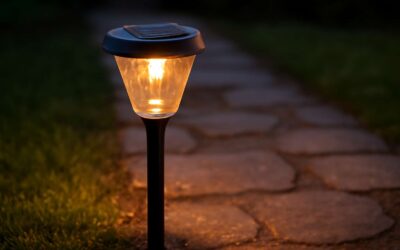
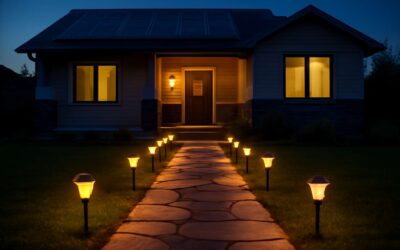
Best use cases dot the landscape: crisp lawn edges, clearly lit pathways, and defined borders. These solar lights you can mow over sit low to the turf and stay put when the mower comes through, keeping lines neat without snagging blades.
They harness sun by day and shine by night, with seals that shrug off rain and dust. In gardens and courtyards, they create safe routes and a welcoming glow that doesn’t scream for attention.
Low profile, high impact—that’s the idea! The edge of the yard becomes an intentional feature rather than an afterthought.
Driveways, Garages, and Parking Areas
South African evenings stretch long, and entrance lighting should outlast a braai. That means solar lights you can mow over—tested by a mower that slips by with nary a yelp. They illuminate driveways and gateways with quiet confidence, heed the local maxim: “Light guides the eye and protects the steps.” Subtle, sturdy, and weather-friendly, they blend into the turf while delivering dependable glow.
Best use cases for solar lights you can mow over across driveways, garages, and parking areas are:
- Direct driveway approaches, where a gentle halo prevents missteps and blade misfires.
- Garage thresholds, offering clear entry cues during night-time arrivals.
- Parking area perimeters to define bays and guide wheels, avoiding dents and drama.
These units prove low profile doesn’t mean low impact; with solar lights you can mow over, the landscape becomes legible and welcoming, even in South Africa’s long dusk.
Garden Borders, Hills, and Slopes
South African dusks stretch long, turning gentle borders into a labyrinth of shadow. A single glow can redraw the garden’s memory and steadiness. These solar lights you can mow over emerge as patient ushers, bending the night to your rhythm rather than forcing you to reinstall lamps after every trim. They whisper along the contours, ready to glow where the mower would otherwise vanish in gloom.
- Terraced beds and banked borders where a gentle halo preserves line and shape during dusk mowing.
- Hillside walkways and cradled curves that would otherwise be swallowed by shadow.
- Steep slopes that benefit from a guiding glow that follows every contour and notch.
I’ve stood with the mower at dusk and heard the glow speak without shouting: a patient confidant that steadies the eye and the hand, turning rough terrain into a stage for quiet drama.
Rooftops and Elevations Requiring Mower-Friendly Lighting
Light is a quiet negotiator between grass and night, and on South African rooftops and elevated walkways, the glow from solar lights you can mow over becomes direction rather than decoration. A rooftop designer once told me, “Light is a quiet negotiator between grass and night.” These lamps shrug off the blades and keep margins legible as the mower passes, turning edge lines into safe pathways and returning dignity to the darkened slope.
Best use cases:
- Rooftop terraces and herb decks where mowing edges define lines
- Elevated walkways and stair landings needing clear footing cues
- Steep banks and balcony edges at risk of shadowed paths
I walk these elevations at dusk and feel the steady glow steady my pace, a measured ally against creeping shadow.
Temporary Installations for Events
Light is the unsung bouncer at any outdoor event, and in SA, a well-placed glow keeps crowds moving with confidence. For temporary installations, solar lights you can mow over offer flexible footprints that survive the chaos of setup, tear-down, and the occasional lawn chair ambush.
Here are best use cases that let events breathe on a budget:
- Queuing lanes and entry points around marquees
- Pathways to food courts, bars, and restrooms on uneven ground
- Temporary dance floors and viewing berms without tripping hazards
- Terraced or sloped edges where lighting must not glare off shadows
With this approach, the glow stays ready, the crowd stays safe, and the lawn stays mowable — these lights travel easily from one event to the next.
Maintenance, Battery Life, and Longevity
Seasonal Cleaning and Dirt Management
An overlooked truth about outdoor lighting is that up to 60% of garden lights fail within two seasons due to dirt and moisture. For solar lights you can mow over, longevity begins at the surface: the cleaner the panel and housing, the steadier the charge. It’s a quiet pact between sun, soil, and stewardship, and I feel it when the yard sighs at twilight!
Battery life and longevity hinge on how weather and grime interact with seals and cells. Dirt lowers efficiency and accelerates wear; treating the unit as a partner to your yard keeps output steady across seasons.
Seasonal cleaning and dirt management are not afterthoughts but ongoing investments in resilience for your turf-friendly lighting.
- Dirt and pollen accumulate on panels and optics
- Grass clippings and mulch drift into the base
- Moisture and condensation test seals over time
- Bird droppings and tree sap can impede light capture
Battery Care, Replacement Cycles, and Disposal
Maintenance is the quiet pact between your yard and the night! For solar lights you can mow over, a clean surface keeps the charge steady through season’s breath. The panel gleams brighter when dust, pollen, and grass clippings stay at bay, letting dusk unfold without a flicker of doubt.
- Clean panels and housing regularly
- Inspect seals for dampness or cracks
- Run periodic checks on light output
Battery life and longevity hinge on how weather and grime meet the seals and cells. Dirt lowers efficiency and accelerates wear; light cleansing and placement helps maintain consistent output as seasons shift. Your garden deserves a partner that stays steady when the wind shifts and the soil settles.
Replacement cycles depend on chemistry and climate, but sealed packs typically need attention every few years. When performance wanes, dispose of batteries and modules via e-waste streams rather than landfill, aligning with South Africa’s recycling initiatives.
Storage and Off-Season Tips for Longevity
Bright dusk deserves a patient keeper! A well-cared-for setup yields steadier glow as seasons shift, and solar lights you can mow over reward that vigilance with reliable brightness. Gentle, consistent care makes every blade of grass a witness to dependability.
Battery life hinges on temperate handling and mindful charging. In South Africa’s climate, avoid letting packs drain completely and expose them to relentless heat. For longevity, position units where shadows stay stable, and cycles stay forgiving. Off-season thinking matters as much as summer routines.
- Store in a dry, shaded area
- Charge periodically during long pauses
- Keep connectors clean and dry
When spring returns, a thoughtful reintroduction helps them recover swiftly. Those solar lights you can mow over come to life again, ready to glow with a patient, predictable cadence. Prepare spaces so soil and mulch don’t cling to housings, and check seals after storage. A small investment in quiet storage pays off with brighter evenings and fewer visits to the toolbox.
Buying Guide and Top Picks for Solar Lights You Can Mow Over
Understanding Price Range and Value
Across South Africa, nearly 70% of lawn owners say they want solar lights you can mow over to survive a quick pass without glare. The buying guide for these products balances price with real-world durability, battery life, and weather resilience. When shopping, look for easy installation, consistent brightness, and dependable warranties.
- Price range and value: balance cost with build quality and a solid warranty.
- Mower-friendly design: ensure ground clearance and stable stake integration.
- SA climate readiness: look for strong IP ratings, dust resistance, and heat tolerance.
Our top picks span budget-friendly to premium, all designed to endure sun, dust, and the rigours of rural life, with robust housings and simple maintenance. They offer dependable performance for pathways, borders, driveways, and other mower-friendly spaces.
Brand Reputation and Model Recommendations
Aspiring for weather-beaten pathways? Across SA, nearly 70% want solar lights you can mow over and still avoid glare as you pass. The buying guide zeroes in on brands with honest pedigrees and dependable models, balancing durable housings with service after sale. Expect clear brightness, stable performance through dust and heat, and straightforward installation that won’t demand a toolkit—or a ceiling of maintenance.
- Brand reputation and warranty clarity
- Model performance in SA heat and dust
- Availability of parts and local support
Top picks span budget-friendly to premium, chosen for long battery life, sturdy construction, and mower-friendly footprints! Look for models with proven track records, transparent specifications, and a no-nonsense return policy. Such factors translate into reliable pathways, borders, and driveways, even when the mower makes its rounds across rough terrain.
Installation Tips and Placement Strategy
A buying guide and top picks for solar lights you can mow over reads like a map for trouble-free pathways. Priorities include weather-ready housings, transparent specs, and service after sale. The best models balance long battery life with mower-friendly footprints, delivering clear brightness and glare-free pass-through in SA heat and dust.
- Ground stability and alignment influence long-term performance
- Light direction and glare impact mower visibility and safety
- Parts availability and local SA support ensure easier maintenance
Placement strategy for mowing-friendly lighting centers on edging driveways, borders, and paths with a staggered layout that mirrors your mowing pattern. Test brightness at different times of day, keep panels clean, and avoid sprinkler zones. The result is a quiet, reliable glow that keeps you moving without distraction. You’ll appreciate the quiet glow!
Warranty, Support, and Return Policies
For the solar lights you can mow over, warranty and after-sale support are as vital as the beam they cast. A robust warranty speaks to quality, and in South Africa’s sun and dust, dependable service keeps the path bright long after installation. This peace of mind shouldn’t be a mystery—look for clear terms and accessible help when you need it most.
- Warranty duration: 2–3 years with coverage for defects and workmanship
- Returns and exchanges: 30–60 day window, easy RMA process, clear policy
- South Africa-based support: local helplines, service centres, and spare parts availability
South Africa–based support and local service centres reduce downtime and shipping headaches; ensure you can access spare parts without a long wait.
That blend of policy clarity and hands-on help makes the choice easier.

0 Comments