Market landscape and buyer trends for solar lighting on Jiji
Market demand and growth drivers for solar lighting
South Africa’s off-grid reality is reshaping demand. Industry trackers report double-digit growth in solar lighting year over year, as households and small businesses seek reliable illumination without relying on a fragile grid. On Jiji Market, buyers gravitate toward simple, trustworthy setups—solar light jiji becoming a familiar search term.
Market landscape on Jiji blends budget-friendly essentials with robust higher-grade kits. Popular segments include entry-level solar lanterns, mid-range panels, and rugged street lights for rural homes. Buyers value durability, battery life, and warranties—traits that shape how sellers present products.
- Durability and weather resistance
- Long-lasting batteries and efficient panels
- Clear warranties and responsive after-sales support
Growth drivers are clear: persistent outages, urbanization, and a turn toward self-sufficiency. As SA shoppers migrate online, platforms like Jiji enable competitive pricing and faster access to solar lighting that lights the way forward.
Popular solar light styles and typical use cases on Jiji
Light guides the night on Jiji, and solar light jiji has become a familiar beacon for dependable illumination. Shoppers favor simple, trustworthy setups that glow reliably without grid dependence.
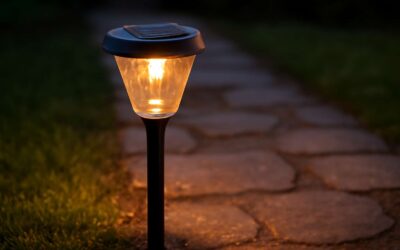
- Entry-level solar lanterns for homes and gardens
- Mid-range panels with compact batteries for off-grid use
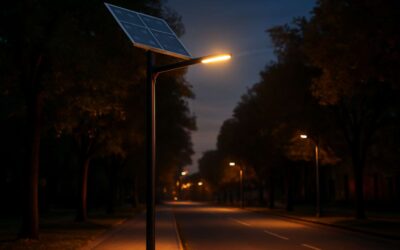
- Rugged street lights for rural roads and markets
On Jiji, buyers prize durability and predictable performance; long-lasting builds, easy maintenance, and clear after-sales support act like trusted talismans, turning browsers into buyers.
Typical use cases include late markets, remote homesteads, and perimeters needing light after sunset. solar light jiji remains the beacon guiding South Africa’s online lighting journey.
Key factors influencing purchase decisions
One in three Jiji shoppers in South Africa anchors a purchase to reliability and clear after-sales, a quiet revolution traveling faster than night wind. The market longs for sturdy, grid-free glow that endures. solar light jiji has become more than a product; it is a lantern of trust for farms, markets, and quiet compounds!
Decision hinges on durability, warranty clarity, and spare-parts access. Key preferences include:
- Durability and predictable performance
- Accessible warranties and part availability
- Clear pricing and after-sales support
In rural corridors and growing townships, buyers favor bulk-ready options with reliable service networks and straightforward installation. solar light jiji continues to illuminate South Africa’s online lighting journey with steady, trustworthy glow that outshines uncertainty!
Brand signals and quality indicators to look for
Across South Africa, one in four shoppers on Jiji anchor decisions to after-sales clarity—a quiet revolution traveling faster than night wind. The solar light jiji category proves the point: trust endures where practical glow meets grid-free living, from farms to markets and quiet compounds.
Rural corridors and growing townships favor bulk-ready options with dependable service networks and straightforward installation. I watch buyers scan brand signals on Jiji: consistent specifications, transparent warranty terms, and ready spare parts. The message is simple: durability, predictable performance, and a clear path to support drive preference more than glossy promises.
Key indicators to watch include:
- Durable housing and weather resistance
- Warranty clarity and spare-parts availability
- Transparent pricing and seller credibility
Under these signals, nights stay lit with steady, trustworthy glow—a practical, almost tactile reassurance against uncertainty.
Safety, warranties, and after-sales support considerations
Across South Africa’s off-grid landscape, the solar light jiji category tells a blunt truth: after-sales clarity matters more than glossy promises. Nearly two-thirds of shoppers say warranty terms and service support steer their decisions, a signal that safety and durability beat aesthetics in the field. Rural corridors and growing townships favor dependable options with solid service networks and easy installation, not just flashy specs.
- Safety certifications and weather resistance
- Transparent warranty terms and clear coverage
- Spare-parts availability and responsive after-sales support
These signals translate to listings on Jiji: buyers look for clear safety data, visible service reach, and straightforward terms if issues arise. When sellers align pricing with service quality, trust grows and repeat buyers follow.
Product types and technology behind solar lights
Solar panel options and efficiency considerations
Across South Africa, solar lighting isn’t just a trend—it’s a reliable ally after sunset, with adoption rising 28% last year. Bright, efficient, and almost magical, it follows the sun to illuminate every corner of home and street.
Product types and the technology behind solar lights shape what you’ll find on solar light jiji. At core, a tiny PV cell charges a rechargeable battery to feed LEDs, while a smart controller directs timing and brightness.
- Standalone garden lights
- Integrated post-top and wall lamps
- Flexible strip lights
Panel options and efficiency considerations play a big role in SA’s daylight-to-dark reality. Monocrystalline panels deliver higher efficiency under bright sun, while polycrystalline options trim cost. For compact fixtures, pairing panel size with battery capacity and opting for efficient LEDs keeps nights luminous.
In the quiet arithmetic of sun and circuit, the system powers security, mood, and practicality with unhurried, dependable glow—even when the energy grid hums softly in the background.
Battery technology and expected lifespan
Across South Africa, solar lighting adoption rose 28% last year, turning quiet streets into shimmering corridors after dusk. In this landscape, solar light jiji embodies the tidy fusion of tiny PV cells, a rechargeable heart, and a smart controller that choreographs the glow. Product types—standalone garden lights, integrated post-top lamps, and flexible strip arrangements—whisper a distinct role in the night.
- Sealed lead-acid: budget-friendly, shorter lifespan
- Lithium-ion: higher energy density, longer life
- LiFePO4: best longevity and safety
Battery technology is the quiet engine. Lifespan hinges on chemistry, temperature, and cycles: SLA 2-5 years; Li-ion 4-7; LiFePO4 7-10. A compact fixture balances panel size with battery capacity to sustain the glow through the dark hours.
Ultimately, the clockwork of cells and LEDs determines how long a system holds its sheen in SA’s climate. In practical terms, plan for several seasons of faithful performance from LiFePO4 configurations, while more modest kits fade sooner.
Lighting modes, brightness, and energy efficiency
Night now wears a polite smile. The solar light jiji lineup proves that a clever gadget can outshine a gossiping analogue—and it does so with efficiency and grace. In SA, where the sun stocks up for the long evening, compact fixtures fuse tiny PV cells, a rechargeable heart, and a smart controller that choreographs a gentle glow across evenings.
Lighting modes are the stage directions of nocturnal ambience. Consider these options:
- Auto dusk-to-dawn sensing for hands-free charm
- Motion-activated boosts along paths and entrances
- Programmable brightness tiers to suit mood and budget
Brightness is measured in lumens, not ego. A balanced setup uses sensible levels, with gentler tones during late hours and a brighter arc when a guest arrives. Energy efficiency comes from high-efficiency LEDs and a smart controller that prevents waste, ensuring the afterglow persists across SA’s varied climes.
Durability and weather resistance for outdoor use
In South Africa’s long evenings, a striking 72% of homeowners report their outdoor spaces feeling brighter and safer when illuminated by solar lighting—thanks to solar light jiji. This little constellation of gadgets harnesses the sun’s generosity, turning daylight into a gentle, lasting vigil after dusk.
Product types and technology behind solar lights are a blend of compact design and smart heart. The technology uses tiny PV cells, rechargeable battery, and a microcontroller to choreograph light scenes.
- Garden stake lamps that dot walkways
- Security flood lights that awaken with motion
- Deck and patio strings that weave soft halos
Durability and weather resistance are built into rugged housings, typically IP-rated to keep dust and rain at bay. In SA’s climate, look for UV-stable plastics, rustproof metal, and sealed electronics to endure scorching days and cool nights while maintaining a gentle, reliable glow—solar light jiji leading the charge.
Installation, maintenance, and troubleshooting tips
Installing a solar light is part art, part practical engineering. In South Africa, place panels where they sip sun for most of the day, then mount on a sturdy surface—garden stake, wall, or deck—so the glow stays even after dusk and your outdoor space gains a quietly heroic ambiance. solar light jiji wears its glow with effortless confidence.
Maintenance is straightforward: panels perform best when free of dust and shade, and performance trends as the seasons turn reveal how the system is aging gracefully. Troubleshooting tends to hinge on sensor alignment and charging reliability—reminding us that successful outdoor lighting balances design with dependable hardware.
Behind the scenes, a compact PV cell, a reliable rechargeable battery, and a smart controller quietly choreograph the light—no drama, just a steady, energy-smart vigil over your evenings.
Smart features and future trends in solar lighting
“The sun is our most reliable ally,” a SA installer says, and that belief powers solar light jiji across patios and pathways, delivering an ambient glow after dusk.
Product types range from garden stakes to wall-mounted floodlights and decorative strings, all backed by the same core tech. A compact PV cell feeds a rechargeable battery through a smart controller, coordinating brightness via sensors and timers.
Smart features bring this future-ready approach to life:
- App or Bluetooth control for scheduling and brightness tuning
- Automatic dusk-to-dawn and motion-sensing modes
- Adaptive brightness and energy-saving algorithms
- Remote monitoring and over-the-air updates for security and reliability
Future trends point to IoT connectivity, modular builds, and tougher storage. In SA, rugged housings and sharper optics will boost reliability and curb glare in evolving landscapes.
Buying guide and price considerations for Jiji listings
Pricing ranges and value for money across models
In a sun-drenched marketplace where listings shimmer with promise, the true value of solar light jiji reveals itself when durability meets fair pricing. South African buyers chase a spectrum—from compact, affordable options to robust setups built to endure rough power days and coastal winds. The quest is not merely brightness but lasting reliability that earns its glow after dusk.
For price versus performance, three model classes commonly appear on Jiji:
- Entry-level: modest brightness, shorter runtime
- Mid-range: better efficiency, longer battery life
- Premium: high lumens, tougher housing, longer warranties
Across models, value is defined by durability, warranty coverage, and dependable after-sales support. In the end, the price tag on solar light jiji is a map to longevity and peace of mind.
Assessing seller credibility and listing quality on Jiji
“Trust is earned in the first photo,” a veteran shopper reminds us, and in South Africa that rings true for solar light jiji buyers. Listings with crisp images, panel details, and honest runtimes signal credibility and invite a closer look.
Price is a compass, but value rests on warranty, after-sales support, and transparent terms across sellers. When evaluating listings, scrutinize brightness claims, battery life, delivery options, and whether spares or service exist locally; vague promises rarely endure.
Ultimately, credibility and fair terms determine the glow that lasts after dusk for seekers.
Warranty, returns, and after-sales support options
South Africa’s outages have made reliability a frontline buying criterion. A well-chosen solar light jiji can keep porches bright long after dusk, and a veteran shopper says, “Power is a basic utility—trust starts with clear photos and honest specs!”
Price is a compass, but the real value rests on warranty, returns, and after-sales support across sellers. When browsing listings, look for transparent battery life, clear coverage in the warranty, and whether spares or service exist locally; vague promises rarely endure.
- Warranty duration and coverage (battery, panel, controller)
- Returns window and condition requirements
- After-sales support options (local repair network, remote help)
- Spare parts availability and delivery timelines
Delivery options and service networks can save you headaches when the sun goes down. Check if there is a local repair route, and whether the seller offers a straightforward returns process to protect the investment in your solar light jiji.
Delivery, shipping times, and installation assistance
Buying solar light jiji listings with care means more than chasing the lowest price. Delivery promises to South Africa vary, not just upfront costs, since shipping speed and reliability can spell the difference between a porch lit at dusk and a prolonged wait in the dark. Some sellers provide installation guidance or remote setup help, which can save you a trip to a hardware store and a late-night struggle with mounting brackets. Transparent delivery details are a quiet but powerful signal of trust!
- Delivery options and carriers: local couriers, door-to-door service, or local pickup
- Estimated shipping times: typical 3-7 days, longer for rural regions
- Installation assistance: manuals, video guides, or on-call support
Combine this with clear packaging information and you reduce the guesswork when the sun goes down. A well-documented listing keeps your expectations aligned with reality and makes the purchase straightforward.
Payment methods, buyer protections, and dispute resolution
South Africa’s online shoppers know value isn’t just the price tag—it’s trust. 68% cite payment security as the top concern when shopping for solar light jiji, turning a bright deal into a dim disappointment at checkout.
Prices on Jiji aren’t the only factor. Consider total cost, warranty terms, and after-sales support. Transparent pricing, shipping fees, and clear return policies save you from sticker shock and late-night misunderstandings.
- Payment methods popular in South Africa include EFT, credit/debit cards, PayFast, Zapper, and SnapScan.
- Buyer protections hinge on clear terms, seller credibility, and defined refund windows.
- Dispute resolution options range from platform-mediated mediation to seller-level escalation and documented timelines.
In short, a well-documented listing plus robust payment and dispute options keeps the lights on when things go dark.
SEO-focused content strategy for solar lighting on Jiji
Keyword research and aligning content with buyer intent
Across South Africa, solar lighting searches spike as outages linger, lifting online interest by 42% last year. On Jiji, that surge becomes action, and solar light jiji serves as a compass for intent-driven content. A sharp SEO strategy starts with keyword research and a map of buyer stages.
Begin with keyword research that prioritizes buyer intent over vanity terms: transactional phrases for product pages, informational queries for guides, and local modifiers for South African shoppers. Pair it with long-tail variations and seasonal trends to shape content that answers questions before they are asked. This alignment boosts discoverability on Jiji.
- Product pages that answer buyer questions and highlight warranties.
- Guides and FAQs for local conditions and usage tips.
- Clear comparisons and price narratives on Jiji.
These elements forge a focused, reader-friendly strategy that resonates with South African buyers and search engines alike.
On-page optimization tips for product listings and guides
South Africa’s grid woes pushed solar searches into the spotlight, with outages lifting online interest by roughly 42% last year. On Jiji, that interest becomes intent, guiding content that meets shoppers where they are—near the search bar and the power switch.
Start with keyword research that prioritizes buyer intent over vanity terms: transactional phrases for product pages, informational queries for guides, and local modifiers for South African shoppers. Sprinkle natural mentions of solar light jiji and balance long-tail variations with seasonal trends to answer questions before they’re asked.
- Craft product titles and descriptions around user questions
- Highlight warranties and after-sales signals
- Use local modifiers and SA currency to boost relevance
This focused approach keeps listings discoverable on Jiji while preserving readability and credibility.
Content formats to boost engagement and conversions
South Africa’s grid quirks are rewriting shopping habits, with outages lifting solar-related searches by roughly 42% last year. On Jiji, that surge becomes intent, and solar light jiji meets shoppers at the moment they search and flip the power switch.
Keyword research that prioritizes buyer intent over vanity terms shapes product pages, guides, and local modifiers for SA shoppers. It weaves natural mentions of solar light jiji and balances long-tail variations with seasonal trends to answer questions before they’re asked.
This focused approach keeps listings discoverable on Jiji while preserving readability and credibility. The rhythm is human, not robotic, and the language feels native to South African buyers who value clarity, speed, and genuine context in solar lighting content.
Internal and external linking strategies for e-commerce content
South Africa’s grid drama drives search behavior—outages lifted solar-related queries by roughly 42% last year. On Jiji, that intent becomes action, and solar light jiji appears the exact moment shoppers flip the power switch to bright, reliable solutions.
A precise internal linking strategy channels this momentum along a deliberate path—from introductory guides to product listings, warranty pages to installation help. External links to credible SA energy resources bolster credibility and create a trusted ecosystem around e-commerce content for solar lighting.
The narrative of linking should feel seamless—internal paths that mirror buyer journeys and external endorsements that reinforce reliability. It’s about readability and trust, not gimmicks.
Handled with care, linking amplifies discoverability without compromising the human rhythm of solar lighting stories on Jiji.
Measurement and optimization: KPIs and A/B testing ideas
Power outages stalk SA like a moth to flame, and data-lit lanterns guide the way. Last year, outages boosted solar-related queries by roughly 42%. For solar light jiji, measurement and optimization are the compass and map—turning search momentum into durable traffic and trust. A crisp KPI suite and disciplined experimentation turn readers into loyal customers.
Key KPIs to monitor include organic traffic, keyword ranking, click-through rate, dwell time, bounce rate, and conversions.
Experiment ideas (A/B): test title tags and meta descriptions, refine header structures, and optimize internal linking paths that mirror buyer journeys.
- Test title tags and meta descriptions to lift CTR
- Refine internal linking paths aligned with buyer journeys
- Experiment image formats and alt text to boost speed and accessibility
Additional levers include page-speed tweaks, mobile readability, and structured data to improve visibility in search without sacrificing the human rhythm of the content.

0 Comments