Comprehensive guide to solar lighting solutions
Provider selection and evaluation
“Light is a right, not a luxury,” a refrain heard across South Africa as solar lighting turns evenings from risk into possibility. In a country of outages and rising energy costs, a thoughtful solar light company becomes a steady partner in reliability and dignity. This guide keeps language clear, pairing performance with service and the integrity of the supply chain.
Key considerations when evaluating options include:
- Quality and safety certifications
- Local warranty coverage and support
- Durability under sun, dust, and heat
- Transparent pricing and ethical sourcing
South Africa’s sun is abundant, yet conditions vary from Limpopo to the Western Cape. An evaluator seeks systems built for regional climate, straightforward maintenance, and clear communication. In this landscape, a trusted partner offers durable engineering and community-minded service!
Technology and product categories
The comprehensive guide to solar lighting solutions breaks down technology and product categories in plain language. Solar panels charge dependable batteries, which power LEDs through intelligent controllers, delivering energy where it’s needed. For a solar light company, these choices translate into steady, reliable services communities rely on.
Common technology families include:
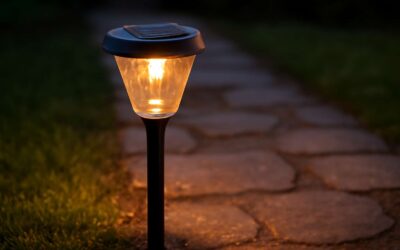
- Solar garden lights and pathway lamps
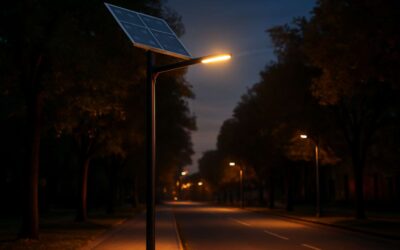
- Solar street and security lighting
- Integrated solar modules for buildings
- Portable solar lanterns and site lights
- Signage and advertising lights powered by solar
In South Africa, regional climates from Limpopo to the Western Cape shape durability requirements, battery life, and maintenance needs. This guide frames selection around robust design, clear warranties, and straightforward service.
Cost, ROI, and incentives
Power outages don’t negotiate—neither should your path lighting. In South Africa, where evenings drift into darkness while the grid hiccups, a well-placed solar light can deliver reliable illumination with payback in as little as 2 to 4 years on solid sites. For a solar light company, that math translates into safer streets and steadier services for communities!
Costs aren’t just the sticker price; they include installation, mounting hardware, battery cycles, and ongoing maintenance. The trick is balancing upfront hardware with long-term savings as LEDs sip electricity and batteries endure through seasonal tantrums.
- Battery life and quality
- Panel efficiency
- Weather resilience
- Warranties and service
Region-specific incentives in SA—municipal rebates, tax considerations, and depreciation relief—can tilt the ROI scale. Your solar light company can guide you through these incentives, turning upfront investment into a sun-powered payoff.
Ultimately, it’s about reliable light when the sun refuses to hurry—a little luminosity that outsmarts the nightly script.
Implementation planning and project management
Across South Africa, a lone solar light can turn a blackout into a beacon. “Light isn’t a luxury; it’s a civic right,” says a seasoned city planner—and I’ve watched that conviction pay dividends on streets that stubbornly refuse to stay in the dark.
Comprehensive implementation planning blends site realities with community needs and regulatory checks. I map where darkness bites, account for shading and mounting heights, and consider maintenance windows, ensuring design choices stay practical, resilient, and ready for the soul of seasonal tantrums.
Project management is governance and conversation: clear roles, steady change control, and ongoing stakeholder updates. As a solar light company, we keep documentation tight and expectations aligned, so suppliers, crews, and communities speak one bright language.
With the right planning lens, these solutions become reliable night companions—quiet, durable, and ready to outshine the grid’s mood swings.


0 Comments