Garden solar lighting options
Path and stroll lighting with solar power
“Evening is a garden’s second bloom,” a line I like to borrow when setting out lights for South African yards. The right glow guides guests past the compost and toward the veranda without drama, and with a touch of refined restraint.
Path and stroll lighting with solar power offers a discreet, solar-powered glow that rises automatically as the sun sinks. To keep neighbours in good spirits and not in the dark, choose options that blend with the landscape and resist the Cape wind.
- Stake lights along flower beds
- Bollard-style guides at corners
- Step lights for gentle depth on stairs
When selecting, consider battery capacity, color temperature, and IP ratings. A solar light for garden brings atmosphere without extension cords, and it tends to reward patience with even, warm hues that last through the night.
Accent lighting and feature lighting using solar
Evening’s hush makes the garden speak softly, and a solar light for garden becomes its most patient narrator. Across South Africa, thoughtful glow can extend the magic for hours after sunset, all while remaining restrained and elegant. Accent lighting shapes silhouettes with warm precision.
I love how solar-powered fixtures offer quiet reliability, from uplights along borders to delicate spotlights on a sculpture. Aim for color temperatures around 2700K to 3000K, and choose IP-rated units built to weather Cape winds and rain without drama.
To inspire your selections, think of gentle accents that reveal character rather than shouting for attention:
- Uplighting that sculpts tree canopies and hedges
- Grazing lights that dramatize stone walls and textures
- Spotlights directed at sculptural features or water elements
Night settles, and the garden breathes with a solar romance, unencumbered by cords and always ready to glow when dusk calls.
String and ambient lighting for decks and patios with solar
Deck evenings deserve their own soundtrack, and solar lighting makes it sing without a cord in sight. In South Africa, a well-chosen solar light for garden can turn a patio into a warm, inviting retreat that stays aglow long after dusk.
String lights drape the rails like a soft ceiling of glow, while ambient lanterns on tables add intimate pockets of warmth. Aim for 2700–3000K and weather-ready, IP-rated units that shrug off Cape winds with quiet style.
- Solar string lights along railings for a scroll of warmth
- Ambient table lanterns that double as nightcaps
- Compact wall or post lights to mark edges without glare
Let the garden breathe at dusk with a solar light for garden casting a patient, elegant glow.
Decorative solar garden lights for focal points
South Africa’s evenings deserve shade and shine alike; in fact, 60% of homeowners report longer outdoor time thanks to decorative solar lights. A well-placed solar light for garden highlights focal points without wiring, delivering warm, inviting ambience that survives Cape winds and summer dust!
Decorative solar garden lights can illuminate a sculpture, a water feature, or a grand doorway. Consider these focal-point options:
- Solar pedestal lanterns that frame gateways
- Low-profile stake lights around statues or plants
- In-ground uplights to sculpt trees or rock features
Durable, weather-rated units with IP ratings stand up to Cape winds. Choose warm 2700–3000K tones to keep evenings soft and welcoming.
Mood and decorative lantern ideas for outdoor spaces
South Africa’s evenings deserve shade and shine alike—60% of homeowners report longer outdoor time thanks to decorative solar lights. Mood matters as dusk settles: warm, ambient glow without cables can turn a courtyard into a living room. A well-chosen solar light for garden frames seating nooks, gateways, and plant borders with inviting radiance, staying true as the sky turns indigo.
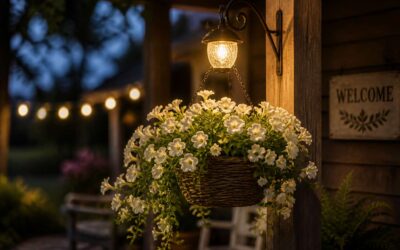
- Hanging solar lanterns that drift over seating areas
- Tabletop lanterns for steps, planters, and doorways
Durable, weather-rated fixtures shrug off Cape winds and summer dust, with warm 2700–3000K tones that keep evenings soft and welcoming.
Choosing the right solar garden lights
Assessing brightness and beam angles
Choosing the right solar light for garden begins with brightness and beam angles. When South African evenings descend, you want a glow that feels magical yet reliable, guiding footsteps and drawing the eye to plantings without shouting for attention.
To compare quickly, check these:
- Brightness: brightness is shown in lumens, shaping how the light feels—subtle glow vs. pronounced highlight.
- Beam angle: the geometry of light distribution defines whether it guides a line or bathes a space.
- Durability: look for weather resistance ratings and warranty to match South Africa’s sun and rain.
A thoughtful mix across a garden creates rhythm. Color temperature matters too—warm hues versus neutral—so the space feels inviting through the night.
Considerations: battery type and capacity
“Light is the garden’s memory,” whispers the night, and South Africa’s evenings respond with a quiet, steadfast glow. The right solar light for garden turns the lawn into a stanza, the shrubs into chorus, all powered by sun-saved energy that never demands a plug!
Battery type and capacity are the quiet heartbeat of that glow. NiMH and Li-ion chemistries offer different promises of pace and persistence, while capacity—measured in mAh or Wh—maps how long the scene lingers after sunset.
- Battery chemistry: NiMH versus Li-ion
- Capacity: hours of illumination
- Temperature tolerance and cycle life
In the tapestry of a South African garden, this intimate energy flow shapes mood more than any other detail, a sentinel with a gentle, unstoppable rhythm.
Budget ranges and value
South Africa’s evenings respond with a quiet, steadfast glow that turns any yard into a living vignette. The right solar light for garden isn’t about flash; it’s about balance—mood, durability, and sun-powered dependability all in one clean package. With budgets in mind, you can craft a scene that honours both style and savings.
Budget ranges set the scale, guiding you toward value without overpaying for bling. Rough bands to picture:
- Under R800: entry-level light with a modest glow and compact solar panel
- R800–R2500: mid-range choice with brighter output and longer run-time
- Over R2500: premium builds, robust weatherproofing and smarter optics
Value is measured in longevity, beam quality, and resilience against Cape winds and afternoon heat. The mid-range tier often hits the sweet spot between ambience and endurance.
Style and materials to match your garden
A garden stakes its memory on the hour of dusk; in South Africa, evenings often unfurl in a velvet hush, inviting a glow. The right solar light for garden isn’t about flash; it’s a careful chorus of mood and shadow, a partner to pathways and patios.
Style and materials should echo the landscape. For modern alignments, brushed aluminium or powder-coated steel reflect the urban horizon; for rustic nooks, brass or ceramic blend with terracotta textures. Choose color temperature to sculpt atmosphere: warm ambers invite lingering, cooler whites sharpen edges.
- Brass or copper lanterns for aged charm
- Ceramic shades that harmonise with terracotta and soil tones
- Weatherproof aluminium or stainless steel for durability in Cape winds
Durability meets design when the solar light for garden stays true through heat and rain; the silhouette complements plant forms, never shouting over them. In this quiet craft, the garden grows into night’s unfolding chapter.
Weather resistance and durability
Evenings in a South African garden unfurl like a velvet curtain, and the solar light for garden is the soft ember that follows. It should feel effortless, a quiet witness to paths and patios rather than a boastful flare. The right pick glows with character, not clamor!
Weather resistance is the true dress code. Seek IP65 or higher, sealed housings, and corrosion-resistant finishes that shrug off Cape winds and sun. Materials like weatherproof aluminium, stainless steel, or brass stay truthful year after year, letting durability become a feature that ages with grace, not grievances.
- IP rating and sealing
- Corrosion-resistant materials
- UV-stable finishes for sun exposure
- Energy-efficient operation and reliable dusk-to-dawn options
A solar light for garden in your yard becomes a patient partner, weaving night with shadow and breath. Its long-suffering glow respects plant silhouettes, never overpowering them; it simply knows when to wake and when to recede.
Technology and performance of solar lights
How solar cells convert sun to power
Sunlight is South Africa’s most reliable ally, and the solar light for garden proves it each dusk. With roughly 2,500 hours of sunshine annually, these fixtures harvest photons that become energy, ready to glow as the evening air cools and the garden whispers with motion.
Photons strike silicon cells; electrons flow, creating a low-voltage current that travels to a controller.
- Photovoltaic cells convert sunlight into electricity
- A controller manages charging to protect batteries
- A compact battery stores power for night-time visibility
In practice, performance follows sun exposure; sharper panels in bright days deliver stronger glow, while longer nights test storage. For a dependable display, consider heat, orientation and light angle—these factors determine how vividly your garden stays lit, the solar light for garden shaping the evening’s mood.
Battery technology: NiMH vs Li-ion and lifespans
At dusk, the garden hums softly while the solar light for garden reveals its true craft. In South Africa’s sun-soaked landscapes, the country basks in about 2,500 hours of sunshine a year; battery choice decides the night’s glow: NiMH offers rugged reliability, while Li-ion carries higher energy density for longer runtimes! Each photon becomes power, and the quiet glow feels almost supernatural as the evening air cools.
- NiMH offers rugged reliability, with low cost and good cycle life.
- Li-ion provides higher energy density for longer runtimes and lighter fixtures.
- Temperature and charging profiles influence overall lifespan in warm climates.
In practice, expect Li-ion to outlast NiMH in sunny regions if heat is managed and depth of discharge is respected.
That balance sustains the glow of a well-loved garden long after sunset.
Light sensors and automatic on/off features
In South Africa, evenings stretch out when the sun goes down, and your garden deserves a glow that lasts. Solar light for garden systems rely on precise light sensors and automatic on/off features to end the guesswork. A dusk-to-dawn sensor knows when daylight fades and snaps the path to life, then dims or switches off as dawn returns.
- Photocell dusk-to-dawn sensors
- Motion-triggered or ambient-light sensing
- Season-aware timers for longer nights
Good sensors guard energy, handle seasonal sun shifts, and minimize glare. To get the most from your system, place sensors away from reflected light. Consider these common approaches:
Dusk-to-dawn vs timer-based controls
South Africa’s nights often stretch into velvet indigo, and a solar light for garden becomes a vigilant companion along the path. A dusk-to-dawn sensor stirs to life as dusk settles, while timer-based controls lock a fixed hour for charm to rise and fade.
In terms of technology and performance, dusk-to-dawn adapts to actual daylight, saving energy; but stray reflections or winter glare can trip the cycle. Timers deliver predictable ambience, yet may wander into waste when the night length shifts with the season.
- Dusk-to-dawn: energy-smart and responsive to real light
- Timer-based: consistent glow and planning ease
- Hybrid or manual override: balance safety with flexibility
Placed away from reflective surfaces, these mechanisms become true sentinels of your garden’s nocturnal mood.
Protection ratings and durability
Across South Africa, more than half of homeowners brighten their evenings with a solar light for garden, turning paths into constellations. Modern units harvest sun with efficient LEDs and smart cells, delivering reliable brightness as seasons shift. Rugged housings and sealed joins protect against dust and drizzle, so a single product can endure a long South African night.
Protection ratings and durability matter as much as glow. Look for IP65 or higher, UV-stable materials, and solid sealants that keep out sand and rain. Consider impact resistance for busy spaces, too.
- IP65+ weather sealing
- UV-stable polycarbonate or powder-coated aluminum
- Rugged seals and corrosion-resistant connectors
With careful design, the garden’s glow remains steady, and the solar light for garden will stand sentinel against the dusk.
Installation tips and best practices
Optimal sun exposure and placement strategies
When the sun sinks behind the fynbos, a garden whispers in quiet light. A well-chosen solar light for garden becomes a sentinel, capturing daylight and releasing it as moonlit poetry. In South Africa, prefer a north-facing exposure to greet the sun as it travels its arc, keeping shade from trees and eaves at bay. Ground or wall mounts anchor the glow against windy dramas, and weather sealing keeps the vigil steady.
Let the light fall where paths wander and edges awaken, and allow seasons to redraw the shadow lines. In this theater of dusk, a modest beacon can transform soil and stone into a living, haloed landscape.
Ground mounting, staking, and wall mounting
Sunlight is a patient partner; in South Africa a well-placed solar light for garden can transform a path into a quiet theatre after sunset. I’ve learned the art lies in mounting that respects wind, shade, and the rhythm of your space—ground, stake, or wall—and in keeping cables tidy and weatherproof.
Ground mounting, staking, and wall mounting each demand patient preparation and a steady hand.
- Ground mounting: choose a level, well‑drained patch, dig or pour a stable base, and backfill firmly so the fixture remains steadfast through gusts.
- Staking: drive a stainless steel stake deep, align the head toward the sun, and secure with a bracket so the light gleams all day.
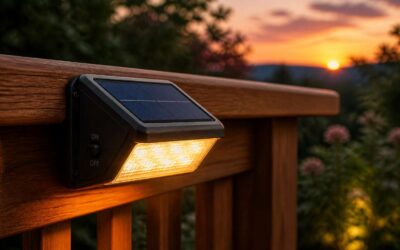
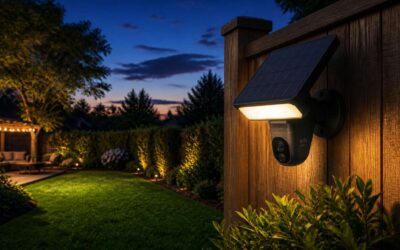
- Wall mounting: anchor to solid masonry with corrosion‑proof screws, seal the joints with silicone, and route cables away from water spray.
Wiring, safety, and weatherproofing (no electrical wiring needed)
South Africa’s twilight has a way of softening stone and shadow; a well-placed solar light for garden can turn a quiet path into a theatre after sunset. The charm lies in placement that respects sun, wind, and the rhythm of your space, and in fixtures that feel at home among stone, timber, and bloom.
Wiring, safety, and weatherproofing rest on subtle yet sturdy choices. Solar lights require no electrical wiring needed from the house, trimming back hazards and clutter. Seek sealed, corrosion‑proof housings, and gaskets meeting robust IP ratings; tuck cables away from spray to keep the glow steady through seasons.
To keep things serene and enduring, consider these non-intrusive guidelines:
- Sun exposure and orientation for energy capture
- Weatherproof seals and durable materials for South Africa’s climate
- Discreet, cable-free routes that honour garden design
Seasonal maintenance and cleaning
Placement is philosophy as much as engineering. For a solar light for garden, I mount where the sun spends the day—avoid shady corners and clutter that block the beam. Choose sealed, corrosion‑proof housings with robust IP ratings and tuck cables away from spray. Let the fixture sit at a slight tilt that follows the sun’s arc and withstands the everyday South African breeze. The result should feel like part of the landscape, not a disruption.
Seasonal maintenance and cleaning keep the glow serene. I wipe the solar panel and lens with a soft cloth, check seals for wear, and ensure the light still falls where you intend when days shorten. Test automatic on/off or dusk-to-dawn modes, and keep batteries within manufacturer recommendations to preserve longevity of your solar light for garden.
- Wipe panels monthly with a damp cloth
- Inspect seals; reseal if needed
- Clear debris from fixtures after storms
Maintenance, troubleshooting, and ROI
Regular maintenance checklist
Maintenance is the quiet backbone of a reliable solar light for garden. A quick wipe of lenses, a check on mounting screws, and keeping the panel free of leaves pays off in brighter evenings and longer battery life.
- Wipe lenses and solar panels with a soft cloth
- Inspect seals and mounts for corrosion or looseness
- Trim vegetation that could shade the panel
Troubleshooting: If a light doesn’t come on at dusk, confirm it’s not in daytime mode, recalibrate the sensor, and test the battery health. A proper daylight recharge and a clear sensor view usually restore brightness.
ROI: A well-kept solar light for garden reduces running costs, extends LED life, and boosts curb appeal after dark, delivering a timely payoff that makes neighbours jealous and your garden glow more reliably.
Common issues and quick fixes
Maintenance is the quiet backbone of a dependable solar light for garden. A gentle wipe of the lantern’s lens, a glance at mounting tightness, and a clean panel keep evenings luminous and the battery life robust. I’ve learned that small rituals today prevent longer outages tomorrow.
Troubleshooting often reads like a short, practical vigil.
- Sensor timing drifts, leaving light off at dusk
- Battery health wanes, dimming the beam
- Panel shading or seal corrosion cuts brightness
ROI: A well-kept solar lighting system reduces running costs, prolongs LED life, and enhances curb appeal after dark. The payoff isn’t just financial; it’s the quiet drama of a garden that greets you with brightness and hospitality each evening, a subtle return on care.
Maximizing lifespan and performance
In South Africa, a well-kept solar light for garden can stretch evening hours by up to 25%, giving your outdoor space an inviting after-dark rhythm. Maintenance is the quiet backbone of dependable glow: clear lens condition, secure mounting, and a clean panel keep brightness steady and batteries healthy.
In practice, I find troubleshooting and ROI go hand in hand. If dusk misreads, brightness slips, or seals corrode, consider sensor timing, battery health, and panel exposure. A quick, high-level look now prevents longer outages tomorrow:
- Lens clarity and light quality
- Sensor reliability and dusk-to-dawn accuracy
- Panel exposure and seal integrity
- Housing durability against weather
ROI manifests as lower running costs, longer LED life, and a garden that greets you with reliable warmth after dark, season after season.
Cost benefits and ROI over time
Maintenance is the quiet hinge of dependable glow. In South Africa’s sun-warmed climate, regular cleaning, secure mounting, and weatherproofing keep your solar light for garden bright and reliable through seasons. I’m convinced that well-kept units minimize battery strain and preserve brightness without fuss.
Troubleshooting, when dusk misreads or brightness slips, reveals the usual suspects: sensor timing, battery health, and panel exposure. A quick, high-level diagnosis today can stave off longer outages tomorrow — and preserve the garden’s after-dark cadence.
ROI over time is tangible: lower running costs, longer LED life, and a garden that greets you with reliable warmth after dark, season after season.
- Lower running costs
- Longer LED life
- Season-after-season reliability
Eco-friendly disposal and end-of-life options
South Africa basks in abundant sun—ample energy for a dependable glow. Maintenance keeps that glow bright: regular cleaning, secure mounting, and weatherproofing extend your solar light for garden—like a patient guardian after dark.
Troubleshooting spots are few: sensor timing, battery health, and panel exposure. A quick, high-level check can head off outages and preserve the garden’s after-dark cadence.
ROI over time shows lower running costs, longer LED life, and season-after-season reliability. With less grid draw, a solar light for garden pays back in steady, warm evenings.
Eco-friendly disposal and end-of-life options keep the cycle clean.
- Recycle batteries at approved e-waste centers.
- Use manufacturer take-back schemes for panels and LED modules.

0 Comments