Comprehensive guide to solar-powered lighting with an on/off switch
Understanding switch-enabled solar lighting
Across South Africa, more than half of homeowners choose solar lights with switch to illuminate their evenings, turning empty yards into welcoming spaces as daylight fades.
This comprehensive guide reveals how switch-enabled solar lighting works: photovoltaic cells drink the sun, battery stores its warmth, and a simple on/off switch lets you command the glow. Here are some essential features to consider:
- On/off switch for instant control
- Manual override for overcast days
- Weather-resistant housings for coastal climates
- LEDs with long life and low power
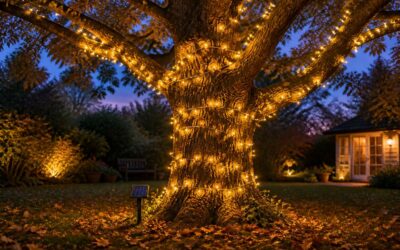
In SA yards, these lamps mingle with architecture, their glow guiding evenings toward garden corners and gateways. They pulse with the mood of the weather, brighter on clear nights and subtler after rain.
In the garden of modern SA homes, I watch the switch flick and the night bloom — solar lights with switch offer quiet magic, accessible, durable, and easy to integrate into any aesthetic.
Choosing the right solar-powered lighting for your space
Across SA, 58% of homeowners report evenings glow brighter when solar lights with switch dot the yard. The trick isn’t wizardry; it’s a dependable on/off switch that blesses your dusk with immediate ambience. A sun-saved heartbeat powers a panel, charges a hearty battery, and lets you command the glow with a wink and a click.
Choosing the right solar-powered lighting for your space means balancing form and function. Consider these features:
- Battery capacity and expected runtime
- Panel orientation for SA sun
- Light colour temperature and beam spread
- Mounting options and height for glare control
On the ground, these lamps mingle with architecture, their glow shaping corners, gateways, and tidy borders. The mood shifts with the sky—brighter on clear nights, subtler after rain—and the switch remains the quiet maestro of the performance. With solar lights with switch, the garden becomes a theatre after sundown.
Design and aesthetics of solar-powered lighting with a switch
Outdoor lighting shapes how a home speaks after sunset, and a Cape Town designer once said, “lighting is poetry you can walk through.” With solar lights with switch, a quick flip turns a quiet yard into a welcoming stage, letting texture and shadow tell the story of your space.
- Form and finish that echo your home’s architecture
- Mounting options and scale that complement borders and entrances
- Hints of texture and patina that weather gracefully in SA light
- Discreet switch integration for a clean, seamless look
When design honors form as much as function, evenings arrive with a soft theatre—the lanterns, the shadows, the confident silhouette of your façade. Solar lights with switch become a subtle magnet for first impressions in South Africa’s outdoor rooms.
Performance, efficiency, and maintenance
Lighting poetry unfurls at the flick of a switch, and solar lights with switch make that moment brighter for South African yards. This comprehensive guide to solar-powered lighting with an on/off switch peers at performance, efficiency, and the quiet science behind a dependable glow, even through a clouded day.
Performance hinges on three quiet allies: high-efficiency LEDs, reliable energy storage, and smart control that prevents waste. For solar lights with switch, the switch is often tied to a microcontroller that minimizes drain when light isn’t needed. In SA, weather-resistant housings and UV-stable finishes keep brightness steady through the seasons.
- Panel orientation and regular cleaning to maximise sun capture
- Seasonal battery checks and timely replacements for consistent output
- Durable seals and materials that resist heat, rain, and sand
Installation tips and safety guidelines
“Light is a quiet revolution,” and in South Africa the yard awakens the moment solar lights with switch flip on! The switch turns potential into a reliable glow, even when clouds drift in. Installation should feel strategic, not hurried, aligning sun exposure with paths and borders.
To keep safety and performance intact, I recommend these practical steps:
- Position panels to face true north or the prevailing sun for maximum charge.
- Keep panels clean and free of sand after storms to maintain performance.
- Use weather-rated housings and seal connections against heat, rain, and dust.
Finally, rugged seals and UV-stable finishes guard brightness through seasons, while routine checks on mounting and wiring prevent drift and corrosion.


0 Comments