Pricing Fundamentals for Solar Lighting
What Affects Solar Light Prices
In the sunlit markets of SA, solar lights price tells a tale of trade winds and watt-hours, and studies show households save up to 40% on outdoor lighting in the first year.
Pricing fundamentals for solar lighting hinge on the heart of the device: the panel, battery, and luminaire, each step up in quality nudges the price into a higher orbit. The rhythm of demand, seasonal promotions, and local import duties also play their part, turning a simple lantern into a golden talisman that carries light through the night!
- Panel efficiency and battery capacity
- Durability of materials and weather sealing
- Brand reputation, warranty, and local support
Ultimately, understanding what affects solar light prices helps buyers weigh beauty against endurance and align choices with South Africa’s sunlit realities.
Upfront vs Long-Term Costs in Solar Lighting
South Africa’s sun powers more than gardens—it powers decisions. The dance between upfront spend and long-term savings can feel like a quiet duel under the night sky.
Pricing fundamentals surface where energy capture, storage, and design converge, shaping the solar lights price; sharper inputs promise steadier illumination and fewer costly repairs over time.
- Energy capture quality
- Storage durability
- Warranty and local support
Long-term costs hinge on maintenance needs and battery life. In SA, seasonal promotions and import duties can tilt the math, while robust warranties guard against unexpected outlays.
Price Ranges by Product Type
Sunlit markets across South Africa reveal a simple truth: the solar lights price acts as a compass, not a hurdle! It rests on three realities—how efficiently the panel captures the sun, how durable the storage battery is, and how the fixture design survives the elements.
Pricing fundamentals by product type unfold into tangible bands. Here are the broad shapes, reflecting quality and features:
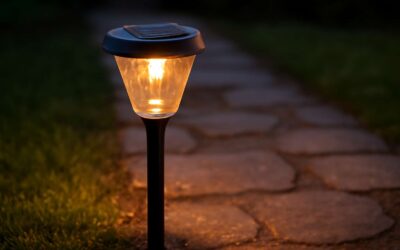
- Path lights and garden stakes: approachable, lasting ambiance with dependable brightness.
- Wall-mounted security lights and motion-activated floods: mid-range to premium, prioritizing reliability and sensors.
- Decorative string lights and ambient garden fixtures: budget-friendly to mid-range, focusing on ambience.
- Bollard and larger landscape fixtures: premium, built for durability and higher output.
Ultimately, the price spectrum reveals how design choices, durability, and performance converge. In this market, solar lights price signals not just cost but the promise of nights lit with confidence.
Tech Components that Drive Cost
In the quiet hours after sundown, the true cost of a solar light reveals itself in its components. The pricing fundamentals hinge on three steady hands: how efficiently the panel converts sunlight, the battery’s longevity, and the brains that govern charging and brightness. Each choice reshapes the night-time performance and the solar lights price.
Key cost drivers lie not in the glow alone but in the guts that power it. Consider these:
- Solar panel efficiency and durability
- Battery type, capacity, and cycle life
- Charge controller quality, including MPPT versus PWM
- LED efficiency, lumen output, and heat management
As South Africa’s sun angles and weather pattern shift, the balance between upfront spend and long-term reliability remains the silent navigator of price and promise.
Price Variations Across Solar Light Types
Solar Path Lights Pricing
Shadows creep along the garden wall as dusk presses in, and the market sighs with a peculiar truth: solar lights price can swing like a candle in a cold wind. “Light is currency in the night,” a whispered maxim that lingers as mortal fingers reach for the switchless glow.
Prices wander across solar light types. Path lights, post lanterns, and string festoons each barter in their own tongue, and the capture of light comes with its own cost. Understanding price means more than pennies; it decodes the soul of your outdoor scene.
Pricing bands follow quality. Entry-level units orbit under about R500 per piece, mid-range offers land between R500 and R1500, and premium, forged with stronger cells and longer warranties, climbs above R1500.
In South Africa, choosing is a mood and a measurement; the night approves those who weigh glow against cost.
Solar Flood Lights Pricing
Shadows carry a price tag, and the night keeps meticulous accounts! The solar lights price often dances between practicality and poetry, a reminder that brightness isn’t merely about watts but the story a space tells. In South Africa, dune wind and late sunsets tilt calculations toward durability and design.
Among types, solar flood lights push the envelope of reach and resilience. Floods command more watts and larger panels, nudging the solar lights price upward compared with discreet path lights. Entry-level options hover around R700–R1500, mid-range models span R1500–R3000, and premium units rise beyond R3000, driven by better cells, bigger batteries, and longer warranties.
- Entry-level flood lights: modest brightness, basic plastics, roughly R700–R1500
- Mid-range flood lights: stronger LEDs, better heat management, roughly R1500–R3000
- Premium flood lights: rugged housings, high-efficiency cells, R3000+
Luxury aside, the choice echoes outdoor character—shadows shaping texture, safety, and a sense of place. The lens of a single beam can redefine a garden wall’s silhouette, which is why the solar lights price for flood options deserves patient consideration.
Solar String Lights Pricing
Price varies with type: solar string lights glide softly along eaves, while path lights and flood lights demand more energy and bigger panels. The solar lights price becomes a map of space, mood, and endurance, especially under South Africa’s late sunsets and coastal breezes.
Here are the pace marks that help buyers sense value without losing the romance:
- String lights: gentle glow, easy setup, light on the wallet
- Path and area lights: steady beam for safety, mid-range investment
- Flood and feature-rich units: high brightness, rugged, premium pricing
Choose by space, intent, and the story you want your garden to tell.
Deck and Step Lights Pricing
Deck and step lights add a precise glow to entryways, yet the solar lights price for these fixtures varies with intent and build. In South Africa, compact deck lights sit in a practical mid-range to premium bracket, influenced by housing material, lens clarity, and the size of the solar panel. Recessed options blend into brick and timber and often cost more upfront, but their durability and weatherproofing pay off. The result is safer steps and a more welcoming approach after sunset!
Factors that drive the solar lights price for deck and step options include:
- Material and finish
- Brightness and beam control
- IP rating and mounting hardware
Knowing these levers helps you choose by space and intent, keeping costs in line with your garden’s mood after dark.
Garden Spotlight Pricing
Night drapes South Africa in velvet, and the way you light it defines the garden’s mood. The solar lights price shifts with type—from discreet path lamps to dramatic garden spotlights—each casting its own silhouette after sunset. “Light is a memory that refuses to fade,” says an elder craftsman, and the night is listening.
- Entry-tier garden spotlights: lighter shells and basic LEDs.
- Mid-range: refined optics and durable finishes.
- Premium: solid metals and weather sealing that endure Cape nights.
Ultimately, the choice blends mood with value, letting the night decide how welcoming your space feels.
Budget-Friendly Options and Value
Entry-Level Solar Lights Under Budget
One good light changes a mile of darkness, they say, and in rural South Africa that truth shines after dusk. Budget-friendly options are not gimmicks—they’re steady, reliable helpers that stretch every rand. The solar lights price often reflects durability, efficient charging, and easy maintenance more than flashiness, turning a small purchase into long evenings of safety and warmth.
- Weatherproof housings that withstand heat and rain
- Efficient LEDs for solid brightness on a small solar panel
- Long-lasting batteries that keep evenings calm after load shedding
Under-budget entry-level solar lights offer around 10 to 40 lumens for walkways and gates, easy installation, and decent run time. Seek models with weatherproof housings and efficient LEDs; you’ll stay within the solar lights price while lighting up the yard long after sunset.
Mid-Range Solar Lights with Reliability
In rural South Africa, lighting your path after dusk isn’t a luxury—it’s a lifeline! A recent survey found that dependable solar lighting can extend usable evening hours by multiple hours, a quiet revolution for homes on the grid. The solar lights price often mirrors the balance between durability and efficiency, not flashiness.
Budget-friendly options lean into clever design over chrome and glitter, delivering reliable performance at a gentler rand. They prove that a modest investment can illuminate driveways and gates without straining budgets.
- Resilient housings designed for heat and rain
- Efficient energy management for small panels
- Durable batteries that hold charge through load shedding
Value mid-range solar lights with reliability lift expectations further: brighter, longer-lasting outputs and sturdier construction. They push the solar lights price up, but the payoff is more consistent evenings and fewer mid-night recharges after load shedding.
Premium Solar Lighting for Aesthetics
Budget-friendly options prove you don’t need chrome to shine—just clever engineering. In South Africa’s price-conscious landscape, sturdy housings shrug off heat and rain, while tight energy management squeezes every watt from modest panels. Durable batteries ride out load shedding, keeping paths lit long after dusk. When you weigh the solar lights price, you get dependable illumination without gilding the lily.
For those who crave aesthetics without sacrificing reliability, value premium lighting adds personality. Brighter outputs, longer run times, and refined finishes justify the heftier price, turning gateways into tasteful statements of South African evenings.
- Artful finishes and weatherproof casings
- Warm-to-neutral color temperatures for welcoming ambiance
- Quality batteries and optics that stretch every charging hour
Warranty, Support, and Price Value
Smart budgeting in South Africa hinges on the solar lights price—get more light for less. Budget-friendly options still deliver sturdy housings that shrug off heat and rain, plus energy management that squeezes every watt from modest panels. Durable batteries ride out load shedding, keeping paths lit long after dusk. Reliability, not showroom gloss, is the measure of value here.
Value in this segment is built on a few clear pillars:
- Solid, weatherproof housings designed for South African climates
- Warranties that cover typical wear and offer easy parts replacement
- Accessible local support and straightforward after-sales service
When considering price versus performance, a robust warranty and responsive support deliver genuine price value. A well-chosen budget option can outlast flashy but fragile alternatives, offering practical brightness when it’s most needed.
Shop Smart: Deals, Retailers, and Comparisons
Seasonal Sales and Discount Cycles
One in three South Africans prioritise cost-effective outdoor lighting, and the solar lights price story mirrors that shift. I see shoppers rendezvous with value during host sales, circling calendars for seasonal deals instead of chasing the latest sparkle. The trick is timing, not frenzy—align with discount cycles and the best bundles.
To shop smart, lean into these real-world levers:
- Seasonal sale windows (year-end, Independence Day, spring promotions)
- Retailer bundles and price-matching policies
- Online vs in-store price comparisons and customer reviews
These shifts help compare solar lights price across platforms without sacrificing warranty or support. Many SA retailers—Takealot, Makro, Game, Builders Warehouse—stage these cycles with extended courier promos and in-store demos.
Online Marketplaces vs Local Retail
In rural South Africa, a well-lit porch is more than ambiance—it’s safety, warmth, and a quiet symbol of home. The solar lights price becomes a compass, guiding choices between sturdy, long-lasting glow and a temporary shimmer that fades. I’ve watched neighbours weigh brightness and reliability, chasing deals that stretch a budget without dimming the promise of a safer night.
To shop smart, lean on real-world levers:
- Online marketplaces offer easy price comparisons, bundled promos, and courier deals.
- Local retailers let you test in person, with quick warranty support and local after-sales care.
- Reviews from fellow South Africans help judge longevity against the solar lights price.
Timing matters—the right bundles during peak promotions, and a willingness to shop both online and in-store, can illuminate evenings without paying a premium for haste.
Bulk Buying and Wholesale Options
On rural South Africa’s porches, lighting is strategy, not spectacle. One in three households shifts a purchase when a promo appears, proving that the solar lights price can steer more than style—it shapes safety, warmth, and a quiet sense of home.
To shop smart, lean on three levers: deals, retailers, and comparisons.
Bulk buying and wholesale options can tilt cost-versus-glow in your favour, especially when price is evaluated over several years of reliability. Timely promotions—and the willingness to shop online and in-store—illuminate evenings without paying a premium for haste.
Price Comparison Tools and Alerts
‘The best light is the one that comes with a sale,’ a South African retailer once quipped. Deals, retailers, and comparisons are the three levers that keep the solar lights price honest and the porch welcoming. In a market where promos bend the curve, savvy buyers chase value without sacrificing reliability, pairing price with performance. I chase the best deals the way I chase rain in the Cape—dramatic when it arrives, practical when it sticks.
- Deals and promos that trim the price without cutting quality
- Retailers—online platforms and trusted local stores for cross-checking
- Comparisons and price alerts to watch value evolve
Price comparison tools and alerts turn shadows into options, letting you compare across suppliers and catch dips before you commit. They keep shopping curious, never reckless—and that’s how evenings stay bright and budget-right across SA.
Cost Saving, Installation, and Maintenance
Do-It-Yourself Installation Costs
In South Africa, a sun-drenched backyard can outshine soaring bills—the real cost comparison hinges on the solar lights price and the sun’s daily generosity.
Cost Saving: DIY installation trims the upfront spend by removing contractor fees and trenching costs. It also enables quick rearrangement as gardens evolve.
- No electrician needed; simple mounting
- Flexible placement for shade-free sun
- Minimal tools and quick setup that reduces labour costs
Installation: With a few basic steps, outdoor solar lights can be secured on walls, posts, or ground stakes, oriented to catch full sun, and powered by built-in batteries.
Maintenance: Brush panels monthly to remove dust and sand, check seals for wind and rain, and replace rechargeable batteries every 2–5 years for consistent output.
Battery Replacement Costs and Frequency
Cost Saving: A sunlit South African yard can outshine a rising bill, especially when we weigh the solar lights price against contractor costs. DIY installation trims the upfront spend by removing labour fees and trenching, while gardens evolve with ease.
Installation: No electrician is needed; outdoor solar lights mount to walls, posts, or ground stakes, oriented to catch full sun. With minimal tools and a quick setup, labour costs fade as dusk approaches.
- Choose a sun-facing location
- Secure with basic mounting hardware
- Test and adjust for optimal brightness
Maintenance: Battery replacement costs and frequency steer the ongoing value. Replacements are typically every 2–5 years, costing roughly R100–R500 per unit depending on chemistry and size. Even with renewals, the long-term solar lights price remains favorable for the shadows at your edges.
Wireless vs Wired Systems and Price Implications
A sunlit South African yard reveals how quickly the numbers tilt in favour of light: solar lights price is offset by up to 60% cuts in outdoor energy use, and DIY installation trims upfront costs by removing labour fees.
Installation: No electrician is needed; outdoor solar lights mount to walls, posts, or ground stakes. Wireless systems offer easy, trench-free placement, while wired options can be cheaper per lumen in large installations.
- Wireless: flexible placement, minimal tools, future-proofing tweaks.
- Wired: longer life, fewer radio interference, scalable for large spaces.
Maintenance: Maintenance is light, with seasonal cleaning and shade assessment. Battery replacements occur when performance wanes, timing varying with chemistry and climate, but the overall upkeep typically preserves the long-term value of the lights.
Return on Investment from Solar Lighting
Cost saving bleeds into the night when the solar lights price becomes a hinge rather than a hazard. In a sunlit South African yard, evenings glow without the sting of electricity bills, and the upfront spend returns as quiet, perpetual illumination. The bargain isn’t merely cheapness — it is a long shadow of value.
Installation is almost a ritual of ease: no electrician required, and outdoor lights mount to walls, posts, or ground stakes. I love how wireless systems cradle your layout with trench-free freedom; wired options offer scale and cost efficiency per lumen for sprawling spaces.
Maintenance is a pale, patient thing: seasonal cleaning, shade checks, and battery swaps as performance wanes. With sensible care, the return on investment becomes a quiet triumph—the lights endure, the night keeps its secrets, and the ledger smiles under SA skies.

0 Comments