Understanding solar-powered light timers
How these devices work in principle
Across South Africa, dusk is becoming more predictable thanks to a solar light timer! The hook is practical: sun-powered energy becomes dependable light after dark, reducing grid strain in tight urban blocks by as much as a third in some communities.
Understanding its principle, a compact system collects daylight via a solar panel, stores it in a rechargeable battery, and is governed by a controller that uses a clock or light sensor to switch the illumination on and off. Designed for resilience, it thrives in sun-kissed mornings and starry nights.
- Ambient light sensing
- Programmable timing options
People notice the margin of safety and the quiet reliability—no tripping circuits, no maintenance extravagance. In South Africa’s varied climate, these devices offer a humane balance of energy stewardship and practical illumination.
Core components and features
From Cape Town’s hills to Gauteng’s skyline, dusk now rides a clock with minute-level precision—the solar light timer makes darkness dependable, turning sun into night with a practiced touch. It collects daylight, stores it, and releases light on a schedule, weaving safety and efficiency into the night.
Its core components operate in quiet concert, waiting for dusk to cue their glow. The following parts work in harmony:
- Solar panel
- Rechargeable battery
- Controller with clock or light sensor
- Ambient light sensor
Beyond hardware, the features breathe life into the device: ambient-light sensing that tames glare and sparks illumination when needed. I love watching it respond to the day’s moods. Programmable timing options that tailor lighting to doorways, paths, and parking alcoves; a weather-ready enclosure that stands up to sun, wind, and rain. Across South Africa’s varied climates, this balance of reliability and stewardship is more than convenience—it’s care.
Common timer types and settings
In the hush between the last ember and the first star, a solar light timer keeps vigil! Light should obey the clock, a creed whispered by silent porches. Understanding its rhythms helps you tailor the glow without spilling energy to the dark.
Common timer types and settings shape when and where the glow arrives. I’ve learned to trust these quiet levers.
- dusk-to-dawn with ambient-light sensor
- astronomical timers for sun-based schedules
- programmable timers with manual override
Settings include dusk-sensitivity, override, and seasonal adjustments; across South Africa’s varied climates, these levers let the night respond to weather, traffic, and footfall, keeping paths safe and entrances serene.
Key benefits and limitations
Across South Africa, outdoor lighting can drain a budget faster than a winter blackout—until a solar light timer steps in with quiet discipline. It’s the quiet supervisor of your evenings, ensuring the glow is punctual without waving the sun goodbye prematurely.
Here are the benefits in plain terms.
- Lower energy bills through targeted operation
- Consistent safety for paths and entrances
- Seasonal adjustments accommodate daylight shifts
- Low maintenance compared to manual timers
Limitations include weather dependency; cloud cover and dusty afternoons can mute sensors, even when a timer demands a glow. Dimming performance drifts as batteries age. Upfront cost and occasional calibration keep planners honest. In parts of SA with frequent load-shedding, a timer isn’t a silver bullet.
Recommended use scenarios
In South Africa’s evenings, understanding solar timer technology feels like reading a ledger kept by the sun itself. The solar light timer turns the night into a scheduled specter—lights rise as shadows fall, never thrashing the budget with waste. It follows daylight with eerie exactness, a quiet custodian of entrances, paths and perimeters. Its promise: a glow that arrives on cue, even as the sky darkens.
- Entryways and stairs, where a safe, welcoming glow keeps footsteps from stumbling in the dark.
- Garden borders and perimeter lighting that endures the long, velvet dusk with quiet grace.
- Driveways and gates, guiding visitors with a steady beam that never shouts at the street.
- Small business façades and parking pockets, a restrained beacon through restless nights.
In a land of shifting daylight and unpredictable load-shedding, the solar light timer offers steadiness—a pale companion to the dark, never stealing the scene from the stars.
Types and features of solar-powered timers
Mechanical vs digital timers
In sunny South Africa, the sun grants roughly 2,500 hours of daylight annually. A solar light timer is the quiet conductor of outdoor illumination, turning dusk into a predictable ritual as shadows lengthen. Its aim is discipline, not spectacle!
Types and features of solar-powered timers reveal two souls: mechanical and digital. Mechanical timers rely on springs and gears, rugged and rain-ready, with a tactile dial. Digital timers offer precision, multiple programs, and automatic daylight adjustments.
- Mechanical timers: stalwart reliability, low maintenance, no power draw to drive the control logic
- Digital timers: multiple programs, accuracy to the minute, remote or app control, sunrise/sunset options
Durability matters in South Africa’s varied climate—IP ratings, sealed enclosures, and weather tolerance keep the glow honest. A well-chosen solar light timer balances cost, power harvesting, and ambience, turning ordinary fixtures into vigilant night watchmen.
Dusk-to-dawn vs sunrise-to-sunset timing
Across South Africa, daylight clocks in at roughly 2,500 hours each year, and the solar light timer stands as the quiet guardian of outdoor illumination. It translates twilight into a deliberate ritual, guiding lamps to wake when needed and rest when the sun returns. A trustworthy sentinel, it favors discipline over spectacle.
Two timing philosophies sculpt its behavior: Dusk-to-dawn, the steadfast sentinel that switches on at dusk and stays until the pale first light returns; and Sunrise-to-sunset, a cadence that tracks the sun’s arc from sunrise to sunset.
- Dusk-to-dawn: wake at dusk and fade at dawn, ideal for security lighting and continuous perimeter glow.
- Sunrise-to-sunset: aligns with daylight hours, conserving energy in winter and boosting ambience in long summer evenings.
When chosen with the garden’s rhythm in mind, this remarkable device becomes a patient night-watchman, turning ordinary fixtures into narrative beacons for a South African courtyard or veranda.
Adjustable scheduling options
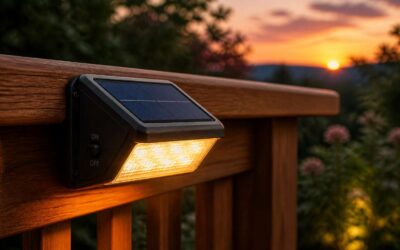
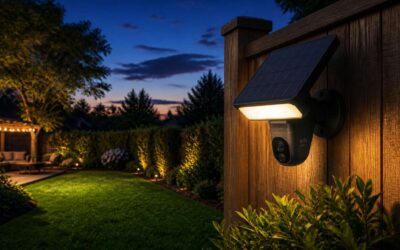
Across South Africa’s sun-drenched evenings, a solar light timer quietly choreographs outdoor glow. These devices arrive in a spectrum of form factors—compact stake-in units for gardens, wall-mounted panels for verandas, and rugged, weatherproof enclosures built for our climate—allowing light to rise and fade with the day’s rhythm.
- Multiple on/off programs for daily or weekly schedules
- Adjustable scheduling options such as custom on times, durations and holidays
- Photocell sensors and battery backup for reliable night lighting
- Weatherproof enclosures designed to endure SA heat, dust and rain
With the right solar light timer, you tailor ambience and security to your courtyard or alfresco lounge, letting the night tell its own quiet story while conserving energy.
Battery life and charging considerations
Across South Africa’s sunlit courtyards, a solar light timer whispers night’s arrival and guides your exterior scenes with a patient cadence. In a land where daylight lingers into gold, these devices become quiet custodians of atmosphere, turning dusk into a soft, programmable ritual. Reliability rises when the timer is paired with efficient charging and sturdy construction.
- Integrated all-in-one designs with built-in panel and battery
- Modular setups that pair an external panel and a replaceable battery
- Rugged, weatherproof enclosures optimized for SA heat, dust and rain
Battery life hinges on chemistry, cycle count, and how often the timer switches. Lithium-ion packs offer longer cycles, while NiMH remains rugged in heat. Self-discharge, temperature, and sun exposure all tip the scales; a properly sized panel and charge controller help the solar light timer hold its charge through the night.
Durability and weather resistance
In South Africa, dusk doesn’t have to be a gamble. As one SA designer likes to say, ‘the night deserves a lighting director.’ A solar light timer quietly stages your exterior scenes, turning ordinary nights into deliberate moments. You’ll find three main paths: self-contained units with a built-in panel and battery, systems that connect to an external panel with a replaceable cell, and rugged enclosures designed to endure SA heat, dust, and rain. Each type changes how steadily lights arrive as twilight settles—I’ve seen evenings take on a new rhythm!
Durability and weather resistance aren’t extras; they’re the baseline. Seek models that seal out dust, resist UV glare, and endure temperature swings.
- Weatherproof enclosure with a high IP rating
- UV-stable materials that resist cracking and fading
- Corrosion-resistant connectors and fasteners for coastal SA zones
Buying guide and product specifications
Key specs to compare (photocell sensitivity, timer resolution)
Light should guard your nights without draining your budget, and in South Africa more households are turning to solar light timer solutions to do just that. A telling line from a local installer sits at the back of the mind: “Light is security that pays you back.” When selecting, consider how the unit fits the space, the routine, and the climate.
Buying guide: consider location, mounting options, and battery chemistry. Key specs to compare (photocell sensitivity, timer resolution) ensure the unit performs when you expect.
- Photocell sensitivity: how early and reliably it detects ambient light to switch on/off
- Timer resolution: the smallest controllable interval (minutes) the timer can manage
Weatherproofing, UV resistance, and ease of programming matter in SA’s sun-drenched days and sudden showers. A quality device should balance reliability with simple maintenance, keeping pathways lit and outdoor spaces welcoming.
Compatibility with solar panels and LED fixtures
South Africa basks in generous daylight, and a solar light timer becomes more than a gadget—it is a nightly guardian of safety and savings. It lets dusk become a welcomed ritual, with light only when needed.
Buying guide essentials begin with location, mounting options, and battery chemistry, the trifecta that powers a timer without clutter. Place sensors where shade won’t fool them and pick a mounting style that suits the façade.
- Location and shading: ensure the sensor sees ambient light without obstruction
- Mounting options: wall, post, or eave setups that suit your space
- Battery chemistry: choose between lead-acid, NiMH, or Li-ion for longevity
Key specs to compare—sensor accuracy and timing precision—keep dusk-to-dawn reliability. Compatibility with solar panels and LED fixtures ensures a seamless fit with your existing system.
- Solar panel compatibility: compatible voltage and wattage
- LED fixture compatibility: correct voltage/current and dimming
- Weatherproofing and UV resistance for SA conditions
Brand comparisons and price ranges
Evenings in South Africa linger at a golden breath, and a solar light timer turns that glow into a trusted routine. It isn’t merely a switch; it’s a guardian of security and savings, guiding dusk to dawn with exact timing and quiet reliability.
Choosing the right model means weighing where it lives, how it mounts, and how its battery breathes life into the night. Brand comparisons reveal nuance: sturdier housings, longer warranties, and sharper sensor accuracy are common differentiators. Consider these tiers:
- Entry-level: simple dusk-to-dawn, basic weather sealing
- Mid-range: improved sensors, longer battery life, better weatherproofing
- Premium: modular designs, extended warranties, advanced scheduling
For South African shoppers, price bands map to value: roughly R150–R450 for entry, R450–R1000 for mid-range, and R1000–R2000 for premium solar light timer units, each tier aligning with panel compatibility and LED fixture demands.
Durability, warranty, and IP ratings
Buy once, cry once: a timer that can’t weather the rain is a timer that won’t light the night. When shopping for a solar light timer, durability, warranty, and IP ratings matter more than fancy features—the outskirts deserve a sturdy guardian, not a fragile gadget.
- IP rating: Minimum IP65 for exterior exposure across rain and dust
- Warranty: 2–3 years, with battery coverage where possible
- Materials & mounting: UV-stabilised housing, corrosion-resistant hardware, secure brackets
In South Africa, the sun can be brutal and the rain sudden. Pick IP65 or higher, a solid warranty, and a design you can service without a wrench. That combo keeps the solar light timer delivering dusk-to-dawn reliability.
Placement and installation considerations
Sunlight is South Africa’s most reliable ally, averaging plenty of hours per year in many regions. That makes a solid buying guide essential for a solar light timer. Priorities: simple programming, predictable performance, and parts that can be swapped without a toolkit. Avoid gadgets that look good in photos but stall under a summer downpour; a well-designed timer keeps dusk-to-dawn lighting dependable even after a hailstorm.
Placement matters as much as panel size; aim for unobstructed sun, accessible wiring, and a discreet, tamper-resistant mount.
- Unobstructed sun exposure for the solar panel
- Secure, accessible mounting to withstand winds and tampering
- Weatherproof, clearly routed connections with drip loops
Well-chosen placement reduces maintenance calls and keeps the timer hitting its marks every dusk.
Installation, maintenance, and troubleshooting
Step-by-step installation tips
Lighting should be automatic, like a morning alarm. In South Africa, that means no stumbling to switch after sunset. A solar light timer makes outdoor glow dependable and hands-off for patios, gates, and perimeters.
- Position the timer near the fixture, sheltered from rain.
- Mount the solar panel in full sun, angled for max charge.
- Connect the timer to the light, noting polarity if needed.
- Program simple on/off windows; test at dusk.
Maintenance is a breeze: wipe the panel with a damp cloth, check for shade from leaves, and replace batteries as recommended; a clean solar setup keeps the solar light timer firing on all cylinders.
Troubleshooting quick fixes: if brightness is weak or nothing happens, verify the solar light timer is in the correct mode, ensure the sensor sees dusk, and confirm the panel is charging in daylight—often a stray setting is the culprit.
Wiring, mounting, and wiring safety
South Africans spend up to 30% more energy on outdoor lighting after sunset, and a reliable solar light timer helps. Wiring and mounting demand care: weatherproofing, strain relief, and proper polarity matter as much as the timer’s settings. Treat installation as a durable perch for light and power.
- Use outdoor-rated IP-rated enclosures and weatherproof connectors.
- Route cables with strain relief and avoid sharp bends.
- Mount panels and timers out of reach from tampering and away from pooling water.
Maintenance is simple: wipe panels with a damp cloth, trim shade, and replace batteries per manufacturer guidance. Keep connections dry and inspect mounting hardware for corrosion. A well-kept solar light timer stays efficient.
Troubleshooting tips: if brightness wanes, confirm the sensor isn’t stuck in a non-sensing mode, the dusk sensor reads correctly, and the panel charges in daylight. A stray setting or loose wire is usually the culprit.
Battery care and replacement routines
A solar light timer isn’t just hardware; it’s a quiet promise to your veld and veranda. In South Africa’s fading light, it keeps pathways safe and energy use honest. Install it in a sheltered, weatherproof spot and respect polarity and seals to prevent moisture seepage.
Battery care sits at the heart of reliability. The unit rewards steady performance through the seasons.
- Battery type aligned with manufacturer specifications to prevent mismatches.
- Avoid mixing old and new cells to preserve performance.
- Keep connectors dry and seals intact to guard against corrosion.
Maintenance and troubleshooting follow a simple rhythm: inspect mounting, wipe panels clean, and monitor the system’s heartbeat. When brightness dips, check that the dusk sensor and daylight charging are aligned with the unit.
Seasonal maintenance and common issues
South Africa’s twilight is legendary, and a reliable solar light timer makes it less of a drama and more of a seasonal encore. Placement in a sheltered, weatherproof spot and an orientation toward maximum sun capture keep the veranda illuminated when needed.
Maintenance and troubleshooting follow a simple rhythm. Seasonally, panel cleaning, seal checks, and dusk-to-dawn sensor alignment reflect sunset times. When brightness dips, daylight charging can be shadowed, and timer settings may drift with the seasons.
- Dust or debris on panels
- Corrosion on connectors
- Sensor drift or misalignment
Seasonal maintenance and common issues often show up as lazy lighting; a quick wake-up check is enough to keep the system on track through the year.
Troubleshooting common timer problems
Installing a solar light timer on a South African veranda is a quiet win for reliability. The device works with your solar setup to manage evening lighting without fuss, letting the dusk do the scheduling!
Placement matters: secure mounting, weatherproof cabling, and sun-forward orientation. In windy coastlines and dusty inland days, a sheltered spot and IP rating help the timer survive plus stay accurate.
Maintenance follows a simple rhythm. Seasonal checks—panel cleanliness, seal integrity, and sensor alignment—keep performance steady. When brightness dips, symptoms point to debris, corrosion, or sensor drift.
- Dust on panels reduces charging
- Corrosion on connectors causes intermittent timing
- Sensor drift alters on/off timing
Troubleshooting is about reading symptoms, not guessing. Observe dusk behavior, inspect connectors, and note age of the module; a calm approach usually brings the timing back in line.
Use cases, optimization, and smart integration
Residential outdoor lighting applications
Residential spaces in South Africa glow brightest when walkways, facades, and garden nooks greet you at dusk. A solar light timer makes this possible, delivering gentle illumination without wiring clutter. From architectural uplights on native trees to subtle path lighting by gates, these timers align outdoor ambiance with the rhythm of daily life.
To optimize, tune the schedule to local sunsets and the home’s routines, balancing energy savings with welcoming glow. Pair it with efficient LEDs and stagger zones to avoid glare, creating layered lighting that feels natural and secure.
Smart integration adds a touch of magic. Link timers to a home hub, add motion pockets, or schedule seasonal motifs for parties and quiet evenings. For inspiration, consider these ideas:
- Layered ambience for entryways, pathways, and garden focal points
- Motion-activated pockets for security and drama after dark
- Energy-aware syncing with solar charging cycles for efficiency
Garden, pathway, and security lighting
Twilight is a favorite hour for South African homes, when a garden seems to glow with quiet invitation. A solar light timer makes that glow effortless—soft illumination along walkways, façades, and garden nooks without wiring clutter or energy waste. I’ve watched evenings soften as lights wake precisely at dusk.
Use cases stretch from entryways to garden accents. With optimization, tune the schedule to local sunsets and daily routines, balancing energy savings with a welcoming glow. A solar light timer keeps the output aligned with charging cycles, so you never over-light or waste juice. We often see zones staggered to prevent glare and create a natural, layered look.
- Layered pathway lighting for safe navigation
- Garden focal points highlighted without overpowering the space
- Security pockets that activate subtly after dark
Smart integration brings a touch of magic. Link the timer to a home hub, add motion pockets, and choreograph seasonal motifs for gatherings or quiet evenings. In this way, the solar light timer becomes a living partner, shaping the rhythm of your outdoor space and welcoming guests with a gentle, responsive glow.
Commercial and public space lighting
Twilight reveals spaces in a way that grabs attention—”Twilight is when spaces reveal their warmth,” notes a South African property manager. In shopping precincts, office campuses, and parks, a solar light timer keeps circulation safe and inviting without wiring clutter or waste. Lights awaken at local sunsets, casting a gentle glow that flatters façades and pathways and makes after-dark routes feel purposeful.
Optimization thrives when schedules align with local routines and events. Tune the timer to peak activity, seasonal dusk shifts, and holiday crowds, delivering energy savings without dulling ambience. Output stays in step with charging cycles, so lighting remains appropriate rather than excessive.
Smart integration opens new possibilities. Link to a building hub, layer motion pockets, and choreograph seasonal motifs for gatherings or quiet evenings.
- Layered pathways for safe navigation
- Points highlighted without glare
- Subtle security pockets after dark
Smart home integration and automation options
Sunlight pays dividends for spaces that glow with intention. In South Africa, a solar light timer turns dusk into daily theatre, stretching safety and warmth across gardens, façades, and promenades.
- Residential gardens and gateways
- Commercial precincts and campuses
- Public parks and pedestrian routes
Optimization thrives when schedules mirror local rhythms. Align with market days, seasonal dusk shifts, and holiday crowds—delivering energy savings without dulling ambience. Output stays in step with charging cycles, so lighting remains welcoming rather than excessive.
Smart integration opens new pathways. With a solar light timer, link to a building hub, layer motion pockets, and choreograph seasonal motifs for gatherings or quiet evenings. I love watching pathways come alive, tailored yet serene.
Energy-saving strategies and ROI
In South Africa’s evenings, the glow greeting the eye sets the night’s tempo. A solar light timer trims energy waste while turning dusk into daily theatre—and studies show this can cut evening electricity use by up to 30%. I’ve watched warmth bloom precisely then.
Use cases span homes, campuses, and spaces where care meets curb appeal:
- Residential gardens and gateways guiding footsteps
- Commercial precincts and campuses with predictable surges
- Parks and pedestrian routes inviting strolls
Optimization thrives when schedules mirror local rhythms—market days, dusk shifts, and crowds. The solar light timer stays in step with charging cycles, delivering welcoming light without excess while boosting safety for late wanderers.
Smart integration opens new pathways. Pair a solar light timer with a building hub, layer motion pockets, and choreograph seasonal motifs for gatherings or quiet evenings. The payoff is tangible: lower energy bills, LED life, and safer, welcoming spaces.

0 Comments