Choosing Solar Path Lights for Your Outdoor Space
Assessing Lighting Needs
Evening in a sun-kissed South African garden is a poem rewritten in light. More than 80% of homeowners say ambient illumination changes how they use outdoor spaces after dark, turning pathways into silver threads and gardens into memory. A solar light garden promises more than brightness.
Choosing solar path lights hinges on discerning your lighting needs, from the shimmer along a curved path to the quiet radiance in a seating alcove. Think warm whites, soft glows, and weather-tough casings that endure South Africa’s climate. In that garden, these choices become choreography.
- Ambient balance over glare to guide the eye without shout
- Beam spread that respects geometry of your paths
- Durability against humidity and coastal winds
- Sun exposure considerations for steady charging
Even the stars tilt closer when a space is lit with intention. The glow should feel generous yet intimate, inviting everyday wonder into outdoor living.
Choosing Light Color and Brightness
A night-lit garden invites wonder, and in South Africa, 83% of homeowners say ambient light changes how they use outdoor spaces after dark. A thoughtful solar light garden does more than bloom into glow—it choreographs movement and atmosphere!
Choose color and brightness to match spaces: warm whites for seating nooks, softer glows along winding paths, brighter accents for entry points. The right balance guides the eye without shouting.
- Warm white (2700–3000K) for intimate seating
- Neutral white (3500–4500K) for pathways
- Bright white (5000K+) for safety at stairs
Durability and charging consistency matter; place lights where sun exposure is steady, so the solar cells maintain a gentle, even glow across your space.
Energy Efficiency and Battery Life
Sunlight is the true conductor of a solar light garden. In South Africa, 83% of homeowners say ambient light changes how they use outdoor spaces after dark, and the mood of a yard can hinge on what lingers after sunset. Energy efficiency and battery life dictate how long that glow persists, shaping the soul of a garden as much as its appearance.
- High-efficiency LEDs
- Quality rechargeable battery (NiMH or Li-ion)
- Weather-resistant housing
I’ve learned that placement and sun exposure matter more than glamour in SA’s climate! Panels that greet steady sun feed the system with patient generosity. Battery life benefits from thermal-tolerant chemistry and robust construction, reducing the risk of dimming on cool evenings. The result is a longer, gentler arc of light that keeps pathways legible and inviting in this space.
Durability and Weather Resistance
South Africa’s dusks linger like a velvet curtain, and a well-made solar light garden can turn silence into a path. In a climate that swings from bright heat to cool evenings, durability and weather resistance are not afterthoughts but the backbone of beauty. The glow must endure long after the sun slips away, casting a gentle halo along every welcome step.
Robust housing that laughs at rain and heat—corrosion-resistant alloys, UV-stable casings, and tight seals that keep dust at bay. SA winds test the stakes; a thoughtful build preserves clarity of line and color. In this way, the lights become a patient sentinel, guiding feet through the garden after sunset with a steady, enduring glow.
Creative Garden Lighting Ideas Using Solar Power
Solar String Lights for Trellises
Dusk earns its spotlight, and your garden wears it with solar string lights for trellises. In a solar light garden, trellises become constellations that don’t require a plug to glow.
These flexible strands trace vines in a warm, amber glow, turning a patio into a storytelling stage after sundown. The trick isn’t brightness; it’s a balanced wash that invites lingering chats rather than blaring spotlights.
Here are ideas that feel practical yet playful:
- Warm-white string lights along the trellis for a gentle, inviting halo
- Copper-toned accents to complement South African sunsets
- Intermittent clusters of small LEDs to mimic fireflies
- Solar lanterns at gateposts to greet guests without cables
With solar power, your garden stays stylish through load shedding and long coastal evenings. Purely stylish, quietly efficient, and ready for any Cape Town twilight.
Pathway Accents with Path Lights
Evening hush settles over a Cape Town terrace, and the path reveals itself as a quiet narrative. A solar light garden becomes a quiet theatre of footfalls, its pathway accents guiding the eye with a warm, unobtrusive glow that invites lingering conversations rather than a glare. The trick lies in balance, where light breathes along the stones and the stars are allowed to listen.
Pathway accents with path lights offer a measured, lantern-like cadence that respects the garden’s architecture and the coast’s soft winds.
- Warm-white path lights tucked along gravel to create a gentle corridor
- Copper-toned fixtures echo the sunset over the Atlantic
- Intermittent clusters of small LEDs to mimic fireflies
- Solar lanterns at gateposts to greet visitors without cables
Powered by the sun, these elements keep the garden accessible after dark, delivering elegance with quiet reliability across South Africa’s longer evenings.
Accent Lighting for Focal Points
“Light is the quiet invitation to linger.” In a solar light garden, a single glow can turn a plain corner into a stage for memories, especially across South Africa’s long, temperate evenings. Focal-point lighting should feel deliberate, like a whispered cue to the eye.
We love these accent ideas to honor focal points with solar power lighting.
- Spotlight a sculpture with a narrow-beam solar uplight to create a crisp focal point
- Grazing light along a tree trunk reveals texture without harsh shadows
- Backlight a small fountain or statue for subtle, reflective drama
- Graze a rock feature to emphasize form and depth
A balanced mix of warm tones and thoughtful angles lets the garden’s features glow without shouting at the night sky. That’s what makes a solar light garden feel effortless, intimate, and distinctly South African.
Water Features and Pond Lighting
“Let there be light,” a maxim that never goes out of fashion, especially in a solar light garden. As dusk settles over South Africa’s temperate evenings, water features begin their quiet ballet with a sustainable glow. The goal isn’t a stadium now; it’s a whisper—reflective, subtle, and perfectly at home beside rocks, reeds, and a friendly frog chorus.
- Submerged LEDs in a pond for a gentle glimmer that never shouts
- Floating solar lanterns that drift with the breeze and add movement
- Backlit cascades from a tiny fountain to create reflective drama
- Edge lighting along a stream or formal pond for clean definition
Pairing water with solar power yields a quietly confident ambiance, turning still water into a living, shimmering backdrop for evenings that linger long after the braai smoke clears — a distinctly South African touch.
Installation Tips and Best Practices
Planning Layout and Spacing
With a solar light garden, you get ambiance that pays for itself in sunlit SA evenings. A solid layout makes all the difference, turning a simple yard into a cohesive stage for romance, strawberries, and the occasional braai breeze. The trick is planning where the glow lands before the sun dips—ambience should feel effortless, not accidental.
- Consider sun exposure patterns to avoid shade shadows and ensure a steady, pleasing glow.
- Mind the rhythm and spacing to balance pathways, seating, and focal points.
- Plan for discreet cabling and low-profile fixtures that keep the garden looking natural.
When these principles guide installation, the space reads as if designed by moonlight itself—functional, stylish, and unmistakably solar light garden chic.
Mounting Options for Different Surfaces
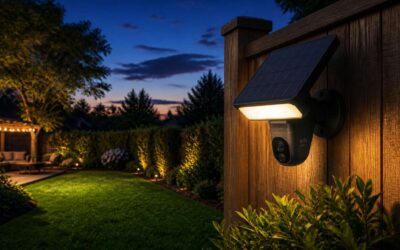
In a solar light garden, mounting fixtures on different surfaces shapes glow and mood, turning stone, timber, or metal into a night-stage for charm. The right approach respects texture and sun, letting light finish its work with quiet confidence.
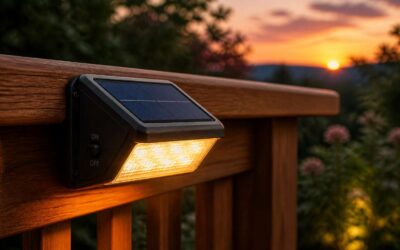
- Decks and timber: weather-rated brackets and stainless screws that blend with natural grain.
- Brick or stone: masonry anchors and low-profile plates that hug the surface without catching shadows.
- Concrete or pavers: flush mounts with epoxy or sleeve anchors for a clean silhouette.
- Metal frames: magnetic clips or clip-on fixtures that preserve linear lines.
- Soil or planters: sturdy ground stakes that resist wind and keep glare discreet.
Smart layout, discreet cabling, and sun-tuned orientation keep the glow as a companion, not a spectacle, for the solar light garden.
Safety and Warranty Considerations
“Light is memory made visible,” a single glow can redraw a garden’s folklore. In the Southern dusk, a solar light garden becomes a patient guardian, turning stone and gravel into a moonlit stage, while shadows fall away like old curtains.
Safety and warranty considerations anchor this enchantment. Seek IP65+ housings, sealed batteries, and panels that hold steady in warm SA afternoons. A robust warranty covering weather exposure and panel degradation is worth more than gold.
- Ensure components carry clear IP ratings and factory seals for lasting protection.
- Register the product and understand warranty terms, including coverage limits for hail and heat.
- Schedule periodic inspections and keep panels clean to preserve efficiency and glow.
Orientation and installation should feel like a quiet ritual—professionals respect sun paths and discreet cabling, preserving lines while ensuring safety. With proper documentation, your outdoor lighting remains a trusted companion rather than a fleeting spark.
Seasonal Maintenance and Cleaning
South Africa’s evenings slip into velvet, and a solar light garden becomes a patient guardian of the garden’s folklore. The glow turns gravel into moonlit stage and remembers every path you walk. “Light is memory made visible,” and this memory thrives when the installation is deliberate and the upkeep is steady.
A disciplined approach to installation blends sun-path awareness with discreet cabling and durable, weather-sealed hardware. Positioning, alignment, and concealment matter as much as brightness; the right mounting choices keep the lines clean and the glow consistent through wind, dust, and heat in the veld.
Seasonal maintenance and cleaning keep the switchlit charm intact. Debris, pollen, and dust can dull output; routine checks of seals and batteries preserve the solar light garden’s resilience after changing seasons and harsh afternoon heat.
Smart Features and Timing Controls
Evenings in South Africa slip into velvet, and the numbers back the feeling: homes with thoughtfully lit outdoor spaces report a notable uplift in security and mood. A solar light garden does more than illuminate—it preserves the garden’s stories, turning a courtyard into a living folklore after dark.
Smart features advance the mood: dusk-to-dawn sensing, adaptive brightness, and weather-tolerant controls that endure wind and dust. The timing becomes a partner in a solar light garden, guiding the gaze without shouting, letting the veld breathe while paths stay clearly legible in twilight.
Consider these subtle capabilities:
- Dusk-to-dawn sensing that adapts to seasons
- Adaptive brightness to maintain atmosphere without glare
- Weather-ready circuitry sealed against dust and humidity
Seasonal timing controls soften the glow as heat eases and rain returns, preserving ambience while respecting local wildlife rhythms.
Cost, ROI, and Sustainability of Solar Garden Lighting
Upfront Costs and Long-Term Savings
Across South Africa, twilight often feels like a secret. A solar light garden turns daylight into a tranquil nocturne, letting paths glow and focal plantings shimmer without a watt of grid power. The magic is practical as well as poetic.
Upfront costs vary with scope. In South Africa, installations typically range from roughly R3,000 to R15,000, depending on the number of fixtures and the design. Key factors include fixture quality, battery capacity, and mounting options.
- Fixture quality and aesthetics
- Battery capacity and lifespan
- Automation features and timing controls
Long-term savings come from reduced electricity use, minimal maintenance, and longer-lasting components. ROI often appears within a few years, while the sustainability quotient grows as your landscape drinks clean, renewable light rather than drawing from the grid.
Energy Independence and Grid Interactions
South Africa’s nights finally come with a price tag that doesn’t sting! A solar light garden typically costs between roughly R3,000 and R15,000 to install, depending on scope and finish. The cost is smarter than a single purchase; it pays dividends in ambiance and safety as dusk settles.
ROI emerges as energy costs shrink and the garden widens its hours of charm. In practical terms, you’re funding less grid use without sacrificing illumination, so payback unfolds in a handful of years as the system keeps paying in quiet, renewable glow.
Sustainability isn’t a slogan here; it’s a daily habit: clean energy, fewer emissions, and a lighter load on the grid during peak hours. Energy independence means you glide through outages with a moonlit path, while grid interactions become a cooperative rhythm rather than a demand. The solar light garden threads beauty, prudence, and progress through South African landscapes.
Environmental Impact and Materials
Across South Africa, a typical solar light garden recoups its cost in roughly 3 to 5 years, a quiet arithmetic of nights lit and bills spared. Installation generally ranges from R3,000 to R15,000, depending on finish and scope, a small price for a moonlit yard.
ROI isn’t a marketing slogan; it’s the daily truth of lower grid dependence and longer evenings! Beyond savings, the glow weaves safety and atmosphere into the garden’s rhythm, turning dusk into an asset rather than a mere sunset.
Sustainability is embedded in every component: materials chosen for longevity, recyclability, and low-emission manufacture. Environmental impact lowers when solar cells, batteries, and fixtures are built to endure and be repurposed.
- Efficient LEDs with high lumen-per-watt
- Aluminum or stainless steel fixtures
- Rechargeable batteries with long cycle life
- Durable, weather-resistant solar panels
Choosing Reputable Brands and Warranties
Cost for a solar light garden flexes with finish and scope, yet the payoff begins the moment the yard glows. In South Africa, reputable brands offer long life and lower maintenance, turning a larger upfront price into years of moonlit evenings.
ROI is real, not rhetoric—less grid dependence, longer outdoor hours, and steadier bills. A solid warranty converts potential glitches into reassurance, keeping the glow steady through seasons.
Sustainability threads through every component: durable materials, recyclable parts, and low-emission manufacture. When choosing brands, seek clear warranties and local support; your solar light garden deserves a partner who stands behind the product.
- Warranty duration and coverage
- Battery lifecycle and replacement policy
- Certifications and service network

0 Comments