Environmental impact and sustainable materials of solar lighting
Overview of solar lighting technology and environmental benefits
At a glance, solar lights look simple: a tiny panel, a battery, and a bulb. But they quietly reshape our environmental footprint by harvesting daylight instead of drawing power from the grid, slashing emissions and trimming energy waste in homes and parks alike.
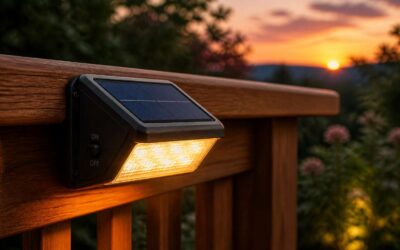
Sustainable materials and smart design keep the green math in check. When built to last and with recyclable components, they stay emblematic of care long after installation. So, are solar lights environmentally friendly? The answer hinges on battery chemistry, panel choice, and robust end-of-life programs rather than glittering LEDs alone.
- Recyclable housing and fasteners
- Long-lasting, non-toxic battery options
- Durable solar panels designed for reuse
- Efficient LEDs that maximize light per watt
In practice, responsible solar lighting complements South Africa’s push toward sustainable urban design, delivering reliable illumination with a lighter footprint.
Materials used in solar panels and housings
Are solar lights environmentally friendly? The answer glows with nuance. The sun powers the glow while the grid recedes, and emissions drop. In South Africa, daylight-rich towns show how outdoor lighting can be elegant and restrained, a quiet ally to urban sustainability. The question ‘are solar lights environmentally friendly’ is more nuanced than a quick yes or no, a whisper that patience and lifecycle choices must answer!
Materials choices underpin that balance. They whisper a pledge to reuse and recycle.
- Recyclable housing and fasteners
- Long-lasting, non-toxic battery options
- Durable solar panels designed for reuse
- Efficient LEDs that maximize light per watt
Together, these materials shape a lifecycle that favors disassembly over disposal.
Panels use silicon cells, tempered glass, and aluminum frames; encasing polymers like EVA keep heat in check, while durable housings invite repair rather than replacement. In South Africa, robust end-of-life programs help reclaim metals and battery resources, closing the loop.
End-of-life options and recycling for solar lights
In the cobalt hush after a South African sunset, the question ‘are solar lights environmentally friendly’ drifts like a moth to lantern light. The sun fuels the glow, yet every street lit by solar carries a ledger—where materials come from, how they endure, and where they go when their spell ends.
End-of-life options and recycling for solar lights are not afterthoughts but the final act of a green romance. In South Africa, take-back programs reclaim metals and safe batteries, closing the loop. The lifecycle favors disassembly over disposal:
- Recyclable housing and fasteners
- Long-lasting, non-toxic battery options
- Modular design for repair and reuse
Durable panels and aluminum frames invite reuse, while heat-savvy polymers and efficient LEDs curb waste. End-of-life becomes a quiet exit, not a reckless fade into darkness.
Energy efficiency and performance considerations
Solar panel efficiency and energy storage capabilities
South Africa basks under a generous sun: around 2,000 kWh per square meter of solar irradiance each year. In this theatre of light, solar lights become more than décor—they are quiet custodians of the night. The question are solar lights environmentally friendly lingers, answered by how efficiently the sun is captured and stored, shaping both performance and footprint.
Energy efficiency rests on two pillars: solar panel efficiency and energy storage capacity. Modern cells, though compact, convert a meaningful slice of sunlight, while batteries stash that power for the long hours after sunset. The balance of light hinges on climate, angle, and the quiet arithmetic of losses. Consider these guiding factors:
- Panel efficiency and sun exposure patterns
- Battery chemistry and storage capacity
- System losses and controller efficiency
Durable, UV‑shielded housings endure South Africa’s heat and dust, keeping output steady. When the sky clouds, soundless storage maintains mood lighting without waste. The verdict on are solar lights environmentally friendly rests on longevity and lifecycle.
Performance across climate zones and seasons
South Africa basks under a generous sun—about 2,000 kWh per square meter of solar irradiance annually. The question are solar lights environmentally friendly lingers, answered by how effectively they harvest daylight and hold it for night. In energy terms, performance hinges on two pillars: panel efficiency and storage capacity, tempered by climate and the quiet arithmetic of losses.
From the Karoo’s arid expanses to the coastal hum of Durban, performance shifts with seasons and sky. A bright winter dusk and a cloud-carved summer evening demand different charge behavior, so balance among exposure, storage, and controller losses tells the story. Consider these factors:
- Sun exposure patterns and panel orientation
- Storage capacity and discharge behavior
- Overall system losses and controller efficiency
Durable, heat-tolerant housings keep output steady, while longevity shapes the environmental footprint more than a single season’s brightness.
Lumen output consistency and longevity
South Africa’s nights demand resilience: a bright winter dusk still carries daylight’s echo, and solar lights rise to meet it. Are solar lights environmentally friendly? The answer rests on two quiet truths—how efficiently they harvest daylight and how faithfully they store it for night.
Energy efficiency and performance hinge on panel efficiency, storage behavior, and controller losses, tempered by heat and dust. To sustain lumen output consistency, choose systems tuned to your climate: robust cells, reliable batteries, and smart cutoffs. Consider these factors:
- Sun exposure patterns and orientation that maximize energy capture
- Storage capacity and discharge rates that sustain overnight brightness
- Low-loss controllers and high-quality housings to minimize energy drain
Durability and longevity shape the environmental footprint as much as any brightness. In the Karoo’s heat or Durban’s humidity, resilient enclosures and long-lasting cells cut replacement cycles and waste, aligning with a greener ethos and steady luminance.
Battery life, replacement options, and disposal
Across South Africa, many wonder if are solar lights environmentally friendly; the answer lies in how efficiently daylight is harvested and how faithfully it is stored for night.
Battery life depends on chemistry and climate; heat saps cycles and cold slows draw. Look for robust cells, protective housings, and controllers that guard against deep discharges.
Replacement options should be straightforward: modular cells, widely available spares, and clear warranty terms. Disposal matters, too—prefer brands with take-back programs and local SA recycling partners.
- Battery replacement options and cycles
- Spare parts availability in SA
- Take-back recycling partnerships
Environmental impact across the product lifecycle
Manufacturing footprint and supply chain transparency
Across South Africa’s streets, solar lighting promises not just efficiency but a gentler footprint. A growing chorus asks the question: “are solar lights environmentally friendly” as a way to measure lifecycle impact—from raw materials to disposal—and how design choices echo across communities.
- Manufacturing footprint: energy use, water, and emissions; push for renewables in production.
- Supply chain transparency: material traceability, ethical sourcing, and battery recycling partnerships.
- Logistics and end-of-life: local sourcing to cut transport, and robust recycling programs.
In South Africa, transparent sourcing strengthens local economies and supports a circular economy, proving that environmental responsibility can align with practical, affordable lighting.
Operational costs and emissions during usage
Across South Africa’s streets, a solar light carries more than light; it preserves quiet landscapes from wasteful glow. When we ask are solar lights environmentally friendly, we lean into the cradle-to-grave story: the impact grows in usage, where the sun does the work and the grid breathes easier. A cradle-to-cradle design promises fewer emissions and longer life.
Operational costs and emissions during usage form the heart of their environmental profile. The light relies on sun power, delivering illumination with minimal emissions and a modest energy footprint.
- Minimal or zero operating emissions once installed
- Low ongoing electricity costs compared with conventional lighting
- Robust battery management reduces waste and keeps disposal sustainable
From townships to towns, the practical glow of solar lighting aligns with a growing circular economy in South Africa, where communities glimpse resilience at dawn and a quieter footprint after dusk.
Recycling and circular economy opportunities
South Africa’s streetlights aren’t just about glow; they’re a lifecycle narrative—from sun-soaked panels to dusk-lit streets and back to responsible end-of-life. A city planner once quipped, “Let the sun do the heavy lifting,” and the numbers quietly align: emissions stay low, grids breathe easier, and nights stay bright.
From cradle to cradle, the environmental impact expands beyond installation. Recycling and circular economy opportunities flourish when designs favor modularity, refurbishing, and safe disposal. Consider these pathways:
- Battery recycling programs
- Solar panel reuse or refurbishment
- Component repair and modular upgrades
The question—are solar lights environmentally friendly—lands squarely in the cradle-to-cradle conversation, where longevity and repairability beat fast fashion every time.
Second-life applications and reusability
Streets that drink dawn’s copper glow carry a quiet statistic: in several South African cities, switching to solar streetlights trimmed municipal grid demand by as much as 20%. The question, are solar lights environmentally friendly, persists as a cradle-to-cradle narrative where light is born from sun and returns through careful design.
From cradle to cradle, impact follows every component—from modular housings to battery chemistry. When designs favor repairability, refurbishing, and safe disposal, second-life applications bloom:
- Second-life batteries powering off-grid clinics or rural lighting
- Panel refurbishment to extend shelf life rather than landfill
- Modular upgrades that swap sensors or LEDs without whole units
Thus, the night-woven argument leans toward longevity, not waste. I’ve watched maintenance budgets tighten and urban shadows lengthen in South Africa, and the path to modular, upgradable luminaires makes the difference between waste and stewardship.
Comparisons with traditional grid lighting
Across the product lifecycle, every watt tells a story. The lingering question “are solar lights environmentally friendly” sits at the edge of the ledger, not as a verdict but as a balance between materials, energy used in manufacture, and the quiet grace of a city at dawn. In several South African cities, solar streetlights trimmed municipal grid demand by as much as 20%, a stat that nudges policy from theory toward practice.
Compared with traditional grid lighting, solar solutions reduce transmission losses and urban emissions during peak hours while delivering consistent illumination with fewer moving parts. The contrast is less about romance and more about reliability, cost stability, and a lighter footprint on the planet through predictable, sun-powered timing and fewer fuel cycles.
Ultimately, environmental impact isn’t a sermon but a living balance sheet—quiet, persistent, and measured in years. The night favors such choices when design leans toward repairable, upgradable luminaires rather than swift disposables.
Guidelines for selecting eco-friendly solar lighting
Understanding certifications, ratings, and standards
When asking are solar lights environmentally friendly, buyers look for the proof behind the glow. In South Africa, the right certifications translate into fewer replacements, safer batteries, and lighter footprints on our land. Let the standards tell the story: not just how bright, but how responsibly a light is made and validated for our climate and communities.
- Look for the SABS mark or an equivalent local safety and quality certification
- Check IP ratings (IP65 or higher) for durability in sun and rain
- Choose RoHS-compliant components to minimize hazardous substances
- Prefer products with clear battery safety info and recycling options
Certifications, ratings, and standards are not gatekeepers, but guides that help South Africans choose eco-minded lighting that stands up to sun and season.
Design considerations for sustainable outdoor lighting
Are solar lights environmentally friendly? ‘Clean light, clean planet’—that motto guides South Africans as they choose outdoor illumination! In a nation where the sun blesses most days, responsible lighting should feel effortless. A gentle, elegant solution can brighten paths, gardens, and evenings while keeping emissions low and the landscape undisturbed.
- Durability against sunlight and sudden showers
- Glare reduction and even color temperature
- IP65+ weather sealing and robust housings
- Clear battery safety data and recycling options
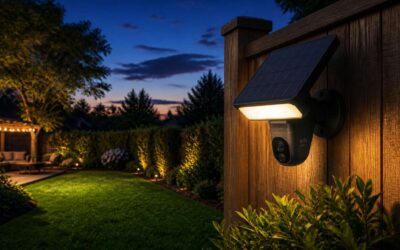
Design considerations for sustainable outdoor lighting emphasize efficiency, resilience, and recyclability. Favor low-glare fixtures with warm-to-neutral color temperatures, modular components for easy repair, and placement that maximizes sun exposure while protecting night skies.
Maintenance practices to extend lifespan and reduce waste
South Africa enjoys about 2,500 sun-hours annually, turning every garden into a bright idea for sustainable living. Are solar lights environmentally friendly? They are—when fixtures are designed for longevity and responsible lifecycles. The result is a landscape that glows without a heavy footprint.
Guidelines for selecting eco-friendly solar lighting lean on durability, repairability, and clear end-of-life options. A straightforward question remains: are solar lights environmentally friendly when designed for longevity? Look for modular components, robust seals, and recyclable materials that support a low-waste lifecycle.
- Modular, repairable designs simplify longevity and upgrades
- Recyclability and clear end-of-life pathways matter
- Weather-sealed housings and durable optics reduce waste
Maintenance practices to extend lifespan and reduce waste emphasize gentle care, proactive checks, and prioritizing products with repairable design and circular economy credentials.


0 Comments