Overview of Solar Lighting for Elevated Surfaces
What are elevated surface solar lights
Across South Africa, outdoor lighting often eats a hefty slice of the energy bill—up to 60% in larger estates. “Light should lift the night, not tether it,” quips a seasoned designer, and solar light tops answer that call with sun-born brilliance. These compact caps turn steps, railings, and parapets into radiant sentinels.
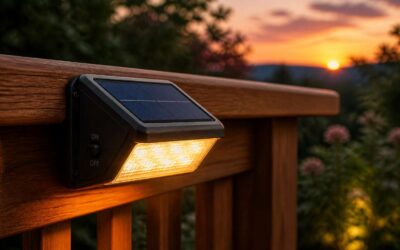
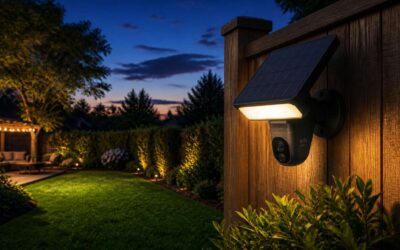
Elevated surfaces demand illumination that travels upward without a tangle of wires. Solar light tops marry compact photovoltaic modules with weatherproof housings and efficient batteries, delivering dusk-to-dawn clarity while shrugging off rain and wind. The result is glare-controlled radiance that flatters facades, decks, and rooftop nooks.
Consider these essentials:
- Weatherproof design suitable for SA climates
- Adjustable beam spreads for steps and decks
- Long-life batteries and reliable sensors
For SA climates, seek IP ratings, rust-resistant finishes, and sunset-aware controls to keep the glow honest.
Key benefits for exterior spaces
Across South Africa, outdoor lighting can account for up to 60% of a property’s energy bill, especially on expansive estates. A seasoned designer once said, “Light should lift the night.” Solar light tops harness that ethos, delivering sun-powered illumination for elevated surfaces without a tangle of cables.
These compact caps fit atop stairs, rails, and parapets, pairing modest photovoltaic modules with weatherproof housings and robust batteries. Solar light tops provide dusk-to-dawn clarity, resist rain and gusts, and offer glare-controlled radiance that flatters facades and rooftop nooks.
Key benefits for exterior spaces include:
- Upward architectural emphasis with no wiring
- Low maintenance and long battery life for SA conditions
- Beam flexibility to illuminate steps, decks, and parapets
In SA climates, seek IP ratings and rust-resistant finishes to keep the glow honest.
Common use cases
Across SA, outdoor lighting can account for up to 60% of a property’s energy bill, especially on expansive estates. Light should lift the night, and solar light tops deliver exactly that—sun-powered illumination for elevated surfaces with zero cable chaos. They transform stairs, rails, and parapets into inviting guides.
These compact caps sit atop stair treads, balcony rails, and rooftop parapets, pairing modest photovoltaic modules with weatherproof housings and robust batteries. Common use cases include:
- Stair treads and landings for safe, wobble-free evenings
- Balcony rails and parapet edges for subtle drama
- Roofline corners and pergola endpoints for architectural emphasis
- Pool surrounds and garden walls for navigable elegance
Choose units with IP ratings and rust-resistant finishes to chase SA’s rain and heat. The result is dusk-to-dawn clarity that glows with restraint and style, complementing façades without shouting.
Cost and energy savings
In South Africa, sunlight is basically a free power station. Solar light tops harness that daylight to deliver dusk-to-dawn clarity on elevated surfaces without a single cable. With sunny days turning into real savings, many properties see payback in a few years and lower ongoing energy bills, all while keeping walkways and railings beautifully lit.
- Zero monthly grid bills during sunny seasons
- Minimal disruption—no trenching, no mess
- Stable, predictable ROI as electricity tariffs rise
With these modular brightness systems, you buy scalable lighting that fits your project and climate. Batteries age gracefully, maintenance stays minimal, and the payback grows with South Africa’s tariff trends, making outdoor lighting a smart, sun-powered fixture for estates big and small.
Environmental impact and sustainability
Sunlit evenings carry a quiet revolution for elevated spaces across South Africa. These solar light tops capture that daylight and transform it into a steady, dusk-to-dawn glow along railings and balconies, as one manager likes to say: ‘the sun pays the bill.’ The environmental footprint shrinks as they sip power from the sky, delivering illumination with no cables, no fuel, and no noise—just cleaner air, safer walkways, and a lasting sense of place that respects the landscape.
- Lower lifecycle emissions and energy demand by relying on the sun rather than grid power.
- Durable, recyclable components designed for long service and responsible end-of-life handling.
- Minimal site disruption during installation and a footprint that respects natural surroundings.
In South Africa’s climate, such solutions marry elegance with responsibility, offering a sustainable glow that honors both budget and landscape.
Market trends and consumer insights
South Africa’s night is being rewritten. Well over half of new exterior-lighting projects now lean on the sun, turning outages into a mere memory. Solar light tops crown rails and balconies with a disciplined, dusk-to-dawn glow.
In market currents, architects and specifiers seek elegance without excess—slim silhouettes, warm glow, and durable materials engineered to outlast seasons. The trend favors modular systems that blend with stone and timber, while weather ratings rise to endure heat, frost, and wind.
- Aesthetics that harmonize with architecture
- Low maintenance and longevity
- Resilience during load-shedding and outages
Consumers crave reliability and simplicity: quick installs, minimal cabling, long service life, and the peace that comes with independent lighting. The rise of off-grid confidence fuels demand across suburbs and campuses.
In South Africa’s climate, the sun writes the lease on light, and the city listens!
How to choose the right solar lighting solution for elevated outdoor spaces
Assess your space and mounting options
Light is invitation, not intrusion,” a designer once whispered, and that sentiment sticks. solar light tops turn elevated spaces into intimate stages after dusk, perfect for South Africa’s warm evenings where rooftops and balconies crave atmosphere without wires. The mood you cultivate—amber glow for conversations, cool white for late-night stargazing—rests on thoughtful placement more than price.
Assess your space and mounting options by considering height, sun exposure, and wind. The right fit respects sightlines and safety while delivering even illumination.
- Pole or column mounting for freestanding heights
- Wall or railing mounting for balcony edges
- Surface mounting for decks and parapets
- Rail inserts for perimeter silhouettes
Choosing the right solar light tops is less about gadgetry and more about human rhythm—how a stairwell breathes after sunset, how a terrace invites company, how resilience meets design in the South African outdoors!
Battery technology and lifespan
Elevated outdoor spaces run on dependable light, not bravado. Battery technology and lifespan decide whether a rooftop glow lasts past midnight. For solar light tops, the chemistry behind the cell shapes powers the glow and frames resilience against South Africa’s heat and long evenings. “Light should invite, not glare,” a designer once said, and that mantra underpins every choice here.
- Battery chemistry and cycle life: Li-ion vs NiMH
- Temperature tolerance across SA’s seasons
- Self-discharge and efficiency under shade and sun
- Warranty and serviceability for longevity
With these factors in view, solar light tops behave like architecture that breathes with night. The glow remains steady, even as heat shifts and shadows lengthen. In SA, reliability is the quiet rival of beauty.
Light output, color temperature, and beam angle
“Light should invite, not glare,” a designer once said, and in SA the right solar light tops can do exactly that—illuminating upscale rooftops without polluting the skyline. The magic lies in choosing a solution that suits the space, climate, and rhythm of your evenings.
Light output matters: too little dims seating; too much creates glare. Lumens measure brightness. For elevated spaces, define edges without washing textures. Color temperature matters: warm tones invite; cool tones feel modern. Beam angle matters: narrow beams highlight features; wider spreads cover the whole terrace.
- Light output appropriate for height and area
- Color temperature options to set the mood
- Beam angle choices to control spread and glare
- Reliability across SA heat and shade conditions
Look for solar light tops that balance these elements with reliable battery life and local service support, ensuring the glow remains steady through long SA evenings.
Panel placement and charging efficiency
“The sun is a patient partner,” a rooftop designer once told me, and in SA, panel placement decides whether the glow greets guests or merely glows in the shadows. When selecting solar light tops for elevated spaces, start with sun exposure, then weight mounting style and shade patterns to keep the night from washing out textures.
Panel placement and charging efficiency hinge on a few practical moves:
- Position fixtures on the highest, unobstructed roof sections to catch the sun’s full arc.
- Angle mounts to track the sun; a gentle tilt boosts daytime charging even in mid-winter.
- Keep panels free of dust and shading by overhangs or greenery for steady power delivery.
In SA’s heat and shade variations, reliability matters more than flash. Look for a sturdy battery, temperature-aware charging, and local service support so the glow remains steady through long evenings on elevated terraces.
Weather resistance ratings and warranties
In SA, rooftop life hinges on the weather—and lighting that outlasts it. A rooftop designer whispered, “Weather is the final architect,” and the numbers agree: 68% of elevated spaces stay welcoming after sunset when gear is built for heat, wind, and dust. That’s where solar light tops shine, turning high terraces into safe, inviting rooms after dark.
When choosing, prioritize weather resistance ratings and warranties. Features include IP65 (or higher) protection, broad operating temperatures, and dependable batteries that endure SA’s heatwaves. Local service support matters as much as lumen output, ensuring the glow remains steady as evenings grow longer. The right gear delivers a steady, warm glow through the night.
- IP rating and dust protection
- Operating temperature range
- Warranty length and local service
With these basics, elevated outdoor spaces can glow with rural warmth and urban reliability.
Technology and components of solar-powered outdoor lighting
Photovoltaic panels and charging systems
Nightfall no longer means stumbling in the dark—solar light tops wake with a sun-powered glow. ‘The future of outdoor lighting is quiet, solar-powered intelligence,’ a Cape Town designer notes, and South African spaces are embracing that reliable calm with the elegance of solar light tops.
Technology centers on photovoltaic panels and charging systems that turn daylight into evening security. High-efficiency panels feed a charge controller, which meters energy to safe storage and steady LED output. Key components include:
- Photovoltaic panels
- Charge controllers
- Energy storage
- LED modules
- Weatherproof housings
Together, they power what we see from solar light tops—steady, colour-balanced illumination that endures in windy beach towns and arid suburbs.
Smart integration means rugged seals and sealed connectors keep their promise through rain and heat, while careful mounting preserves beam control and curb appeal.
Battery types and life cycles
In South Africa, dusk deserves its own lucid glow. ‘The future of outdoor lighting is quiet, solar-powered intelligence,’ a Cape Town designer notes—solar light tops deliver that calm with sun-warmed certainty, turning daylight into nighttime security amid coastal winds and heat!
Technology centers on five components: photovoltaic panels, a charge controller, energy storage, LED modules, and weatherproof housings. Rugged seals and sealed connectors ensure longevity; in practice, battery choices shape resilience in South Africa’s climate.
- Lithium-ion (Li-ion): high energy density, compact packs
- LiFePO4: long life, stable in heat
- SLA: budget-friendly, simple
Battery life cycles hinge on depth of discharge and temperature. In South Africa, disciplined charging and moderate use extend cycles, keeping solar light tops steady through seasons.
LEDs, lumens, and color temperature
Technology inside solar light tops is a careful geometry: photovoltaic cells drink day, a charge controller whispers balance, energy storage guards the night, LED modules blaze, and weatherproof housings endure South Africa’s winds. These parts fuse into a nocturnal chorus, delivering a glow that’s calm yet defined, a beacon sharpened by sun and climate!
LEDs translate daylight into measurable lumens and precise color temperature, shaping ambience from warm 2700K to crisp 5000K. Higher lumens deliver stronger reach, while cooler temperatures read as security; the right mix provides both safety and atmosphere in coastal heat and dust.
Consider these core components in practice:
- LED modules tuned for efficiency and longevity
- Lumens targets matched to walkway or egress needs
- Color temperature choices that suit architecture and mood
Smart features and automation
In South Africa, outdoor lighting often drains energy budgets, but solar light tops flip the script—delivering secure, even illumination with savings of up to 50%.
Inside, a tidy tech stack translates sun to light: a photovoltaic array captures daylight, a smart controller modulates charge, a compact energy store buffers night hours, and LEDs emit a steady glow through a weatherproof shell designed to endure coastal winds.
- Smart features that automatically adjust brightness to activity and daylight
- Automation for dusk-to-dawn cycling, motion sensing, and scheduling
- Remote management and diagnostics via a mobile app or hub
All told, these technologies let architecture speak softly yet clearly, turning sidewalks and entrances into reliable, energy-smart spaces.
Durability: IP ratings and materials
Sunlight is a patient power source, and solar light tops translate it into dependable glow across SA’s streets and courtyards. In a landscape where load shedding haunts budgets, these tops turn sunshine into reliable illumination, delivering savings of up to 50%.
These solar light tops bundle a tidy tech stack that translates sun to light: a photovoltaic array captures daylight, a smart controller modulates charge, a compact energy store buffers night hours, and LEDs emit a steady glow through a weatherproof shell designed to endure coastal winds.
- IP65 or higher rating for dust and water ingress protection
- Corrosion-resistant metals such as marine-grade aluminium or stainless steel
- UV-stabilised polycarbonate lenses and durable, powder-coated finishes
Durability is built into every seam—seals, gaskets, and thoughtful thermal management guard the circuitry, ensuring solar light tops stay luminous through South Africa’s sun and spray.
Installation, maintenance, and safety for outdoor solar lighting
Planning and mounting guidelines
Across South Africa’s sun-drenched landscapes, solar light tops are redefining night-time exteriors—quiet, durable, and hospitality-ready. A recent industry stat shows outdoor lighting can trim energy bills by up to 60% in peak season, turning shadow into a trusted companion and every walkway into a warm welcome.
Planning and mounting wise choices shape performance more than price. Consider these high-level guidelines:
- Site in full sun, free from prolonged shade, for optimal charging
- Mount at a height that minimizes glare and maximizes safety
- Choose corrosion-resistant brackets suitable for coastal SA climates
- Seal and weatherproof connections to resist dust and rain
Maintenance and safety for outdoor solar lighting require a light touch and regular attention. Clean panels softly, inspect fastenings after storms, and watch for dimming or misalignment. Safe operation rests on weatherproofing, proper drainage, and clear paths to prevent trips in the night.
Wiring and connections (where applicable)
Across South Africa, outdoor lighting can trim energy bills by up to 60% in peak season, and solar light tops magnify that advantage with quiet reliability. Installation hinges on solid mounting, clean sightlines, and weathered but purposeful wiring: the presence of corrosion-resistant brackets, shielded conduits, and sealed joints to resist dust and rain. Fixtures are placed to minimize glare while guiding guests along steps and entrances.
Wiring and connections (where applicable):
- Weatherproof connectors rated for outdoor use
- Cables routed along architectural features to reduce trip hazards
- Strain relief and polarity verification for stable operation
Maintenance is a light touch: panels are softly cleaned, fixings checked after storms, and dimming or misalignment observed. Proper drainage and clear paths help keep solar light tops safe after nightfall.
Cleaning and maintenance schedule
Mounting is the backbone of safe, reliable lighting after dark. With solar light tops, choose sturdy brackets anchored to surfaces and clean sightlines that keep glare away from entrances. In South Africa, a well-secured unit laughs at gusts while dusk settles.
Maintenance follows a light rhythm. A quick wipe-down of panels and fixings after storms helps sustain charging and safety. Plan a monthly check for corrosion, loose mounts, or drainage blockages—little attention now saves bigger headaches later.
- Clean panels with a soft cloth and water, avoiding abrasive cleaners.
- Inspect bases and mounts for tightness after strong winds or heavy rains.
- Ensure drainage paths around the base are clear to prevent standing water.
Safety is about visibility as much as weatherproofing: keep walking routes clear, minimize trip hazards, and never climb on hot panels. With regular care, the lights stay bright and poised for many seasons of South African evenings.
Troubleshooting common issues
South Africa’s evenings welcome a generous glow, and the right install makes it linger. “Let the sun do the lifting,” a seasoned installer once told me, and it holds true when you fit solar light tops—choose sturdy brackets fixed to solid surfaces and keep the top level to curb glare near entrances.
Maintenance is a steady rhythm: after storms, wipe panels gently and tighten fixings. Monthly checks for corrosion or loose mounts save bigger headaches. Safety first means clear walkways and never climb on hot panels.
Troubleshooting common issues keeps nights bright. If output wanes or a sensor misreads, begin with this quick checklist:
- Clean the panel surface and confirm no shade.
- Inspect battery connections for corrosion and secure them.
- Ensure wiring remains intact and connections are snug.
- Test the dusk-to-dawn sensor’s response to ambient light.
Safety considerations and warranties
South Africa’s evenings glow brighter thanks to solar light tops that power porches and paths long after sunset. “Let the sun do the lifting,” a seasoned installer often says, and that approach shows in every quality fit. For optimal performance, installers favor sturdy brackets fixed to solid surfaces and keep the top level to curb glare near entrances.
- Sturdy weather-rated brackets on solid surfaces.
- Warranties covering panels and mounting hardware.
Maintenance and safety share the same ethic. In SA’s varied climate, corrosion resistance and sensor reliability matter, and warranty terms hinge on proper installation and ongoing care; select reputable brands and installers who back their solar light tops.
Safety considerations guide every choice—from clear walkways to durable, heat-tolerant materials. These tops deserve enduring warranties and reliable service that keep the glow steady, season after season.

0 Comments