Understanding Solar Lights: An SEO-Optimized Outline
Core Principles of Solar Lighting
In sun-soaked South Africa, outdoor light becomes a quiet enchantment the moment you ask how do solar lights work. A single rooftop panel collects photons and feeds a tiny battery. Across the continent, these systems save households up to 60% on outdoor lighting energy, turning daylight into glow after sunset!
To glimpse the magic, consider the core steps:
- Photovoltaic cell converts sunlight into electrical current
- Rechargeable battery stores the energy for night-time use
- Controller switches from charging to discharging and powers the LED
- LED emits steady light with efficiency that lasts through the night
Temperature and shade temper the harvest, while a tiny brain—the controller—keeps the glow graceful, waiting for dusk then waking with a soft sentinel’s light. The tale of solar lighting is really a fusion of sun, chemistry, and patient design, thriving where sunlight finds a home.
Main Components of a Solar Light
Across South Africa’s sunlit verandas, the quiet glow of a solar light transforms evenings. how do solar lights work is a question many households ask, and the answer is simple in concept: a compact quartet of parts captures daylight, stores it, and releases it after dusk. The result is dependable illumination that stretches further than the eye can see and requires little more than periodic cleaning of the lens.
- Photovoltaic cell: captures sunlight and converts it to electricity.
- Rechargeable battery: stores energy for night-time use.
- Controller: monitors daylight and switches to the night mode when needed.
- LED: delivers the visible light with efficiency and a long life.
Together, these parts form a system that endures heat, dust, and the long South African nights. When the sun wakes again, the controller restarts the cycle, returning light with a dependable, almost quiet dignity.
How Solar Lights Are Used in Practice
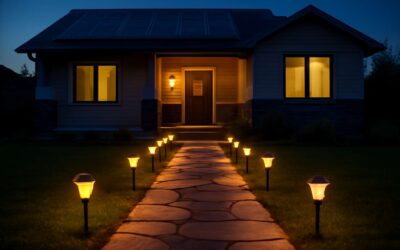
Across South Africa, evenings glow differently on warm verandas—solar lights make that glow last. In practice, you’ll notice a calm, almost ceremonial routine: daylight is captured, stored, and released after dusk, delivering dependable illumination as the night unfolds!
- Veranda corners for ambient warmth
- Pathways and driveways for safety
- Garden borders for subtle structure
- Pool surrounds for mood lighting
For readers wondering how do solar lights work, the answer is elegantly simple: a quiet system that gathers sun, stores energy, and releases it as a gentle, efficient glow. In practice, that glow is tuned by placement, sky, and season, offering a flexible canvas for outdoor life.
Optimizing Performance and Longevity
Evenings in South Africa carry a hush that invites contemplation, and light becomes a memory you can keep. Readers often ask: how do solar lights work, in the simplest terms? It’s a quiet alchemy: daylight is gathered by a tiny heart, stored in a reserve, and released as a steady, gentle glow that supports verandas, walkways, and garden corners after dusk.
- Efficient energy capture and conversion
- Thoughtful placement to balance sun exposure
- Battery health and temperature resilience
- Durable weather sealing and long-life LEDs
Beyond mechanism, performance and longevity hinge on the delicate balance between sun, season, and space. The glow is a measure of thoughtful placement, resilient materials, and quiet endurance—an outdoor life staged in light, whether a seaside terrace or a sun-drenched lawn—crafted to endure both heat and whimsy without shouting.

0 Comments