Overview of Solar Lights Without Sensor
Definition and Core Features
Sunlight powers more than just our homes—it powers simple, reliable lighting. “Light should be simple and reliable,” a South African installer likes to say, and solar lights without sensor deliver that steadiness night after night.
Definition and core idea: solar lights without sensor are outdoor fixtures that rely on fixed dusk-to-dawn or timer settings, not motion or light sensors. They combine a compact solar panel, a rechargeable battery, and a weatherproof LED engine to provide steady illumination with minimal setup.
- Sensor-free operation with dusk-to-dawn timing or fixed schedules
- Efficient solar panel and long-life battery for extended nights
- Durable, IP-rated housing built for SA climate and dust
- Low maintenance and quick, tool-free installation
In design terms, these solar lights without sensor suit fences, pathways, and perimeters well, delivering soft but reliable coverage without the complication of sensors.
How They Operate Without a Sensor
Across South Africa, outdoor lighting that simply works is not a luxury—it’s a practical beacon. Introducing solar lights without sensor, they offer a steady, predictable glow, following a dusk-to-dawn rhythm or fixed schedule that never wavers with movement or glare.
Without sensors, operation hinges on dependable timing and robust build, so the light holds through longer nights and dust-laden evenings. Think of a quiet, reliable sentinel that guards fences and perimeters with a gentle, even brightness that won’t surprise you.
- Low maintenance and straightforward installation
- Energy-efficient, long-life performance
- Durable, weatherproof housing designed for SA climates
Pros and Cons Compared to Sensor-Based Lighting
‘The night remembers the steadfast glow,’ I tell my readers, and in South Africa that truth holds fast. I whisper that solar lights without sensor offer a constant vigil, a steady dusk-to-dawn rhythm unshaken by motion or glare. They become quiet sentinels—reliable, uncomplicated, and hauntingly loyal to perimeters and fences.
Here are the practical advantages:
- Stable brightness through long SA nights
- Minimal maintenance; straightforward installation
- Robust, weatherproof housing for dusty conditions
On the flip side, the absence of sensors means less reactive light during sudden activity. With solar lights without sensor, you trade versatility for constancy—no dimming when footsteps pass, no motion-triggered warmth to guide wanderers. They thrive on steady power and rugged SA-ready housing, but energy can drift when nights stretch endlessly.
For those who crave certainty, solar lights without sensor offer a quiet, inexorable glow that anchors fences and perimeters with a steady, unfaltering cadence.
Common Designs and Mounting Options
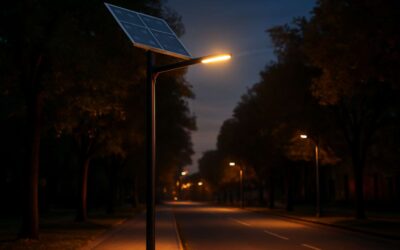
By South Africa’s twilight, walls, gates, and fences rise as quiet sentinels. Solar lights without sensor offer a range of designs that pair stoic endurance with graceful form, draping boundaries in a steady watch without motion-triggered bursts. Their silhouettes blend with architecture—functional, mythical, unfailingly loyal.
- Wall-mounted solar lights without sensor — slim profiles that hug walls and verandas, delivering steady illumination with minimal clutter.
- Post-top bollards — rugged, high-output units that crown longer fences with a calm, guiding glow.
Mounting options are modular and forgiving: attach to brick or plaster with corrosion-resistant brackets, nestle into wooden posts, or plant into soil for borders and driveways. In dusty SA nights, sealed housings shield electronics while the solar panel gathers every sunlit whisper.
These designs suit perimeters with a steady cadence—reliable for fences, gateways, and spacious yards alike—where simplicity matters as much as security.
Best Use Cases for Sensor-Free Solar Lighting
Garden Pathways and Accent Lighting
In South Africa, the night reveals more than shadows—it reveals security. A recent survey shows 63% of homeowners crave lighting that stays constant after dark. “Let there be light—without surprises,” echoes in the minds of those choosing solar lights without sensor.
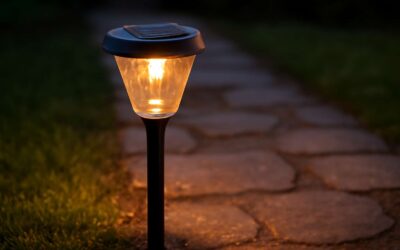
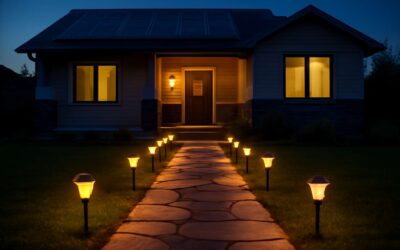
Best use cases center on garden pathways and elegant accents. Without any sensor feedback, these lights deliver a steady, predictable glow along gravel borders and plantings, guiding steps with quiet confidence. In South Africa’s climate, they withstand heat, dust, and coastal spray, keeping a calm illumination year-round.
Consider these placements for optimal effect:
- Garden pathways that weave through lawns and patios
- Accent lighting for statues, pergolas, or sculptural features
- Stair risers and low railings for safer navigation
- Deck and veranda edges to define social spaces at night
For mood and safety, solar lights without sensor offer a refined cadence that complements stone, timber, and garden architecture.
Outdoor Security and Perimeter Lighting
Across South Africa, 63% of homeowners crave lighting that stays constant after dark. solar lights without sensor deliver a steady, predictable glow that enhances security without surprising brightness spikes. For outdoor security and perimeter lighting, the charm lies in a calm beacon along walls, fences, and entry paths—visible yet unobtrusive, like a watchful dawn over a village outpost.
Best placements stay simple and purposeful:
- Along fencing to define boundaries and deter wandering
- At gateways and driveways for safe, easy access
- By the property perimeter and around outbuildings for continuous visibility
With heat, dust, and coastal spray a constant glow remains calm but strong, harmonising with stone, timber, and garden walls. These lights whisper security without glare, turning midnight into a measured, trustworthy scene.
Decks, Patios, and Outdoor Living Areas
Across South Africa, 63% of homeowners crave lighting that stays constant after dark. These solar lights without sensor offer a calm, predictable glow for decks, patios, and outdoor living spaces, turning convivial evenings into something quietly elegant. The aim is atmosphere, not drama, and these fixtures deliver that measured luminance without sudden bursts or glare.
Best use cases include:
- Decks and verandas where conversations flow under steady illumination
- Patios and dining nooks that benefit from even, glare-free light
- Outdoor living zones—lounge areas and braai spaces—where safety blends with atmosphere
In these settings, the glow complements stone, timber, and garden textures, inviting lingering moments rather than hurried departures. The absence of sensors keeps maintenance minimal and the mood constant, a small daily ritual that speaks to dignity in outdoor living.
Temporary Lighting for Events and Rentals
Across South Africa’s outdoor seasons, the most enduring venues prove that atmosphere outlasts weather. In fact, 72% of event hosts say steady, chemical-free glow is the secret to lingering conversations and memorable moments. Enter solar lights without sensor, a calm, constant companion for any dusk-to-dawn gathering!
Best use cases extend beyond the home patio, thriving in events and rentals that demand reliability, not drama.
- Pop-up weddings and intimate garden soirées
- Corporate events, product launches, and alfresco tastings
- Film shoots, photo booths, and outdoor ceremonies
- Short-term rentals, guesthouses, and festival campsites
In every scene, the quiet glow respects the space, encouraging lingering conversations and safe footfalls from dusk until the last ember of night. This is the beauty of solar lights without sensor—steady, inviting glow.
Choosing the Right Sensor-Free Solar Lights
Light Output and Brightness: Understanding Lumens
Bright outdoor spaces extend living hours and cut energy waste—brightness is a form of control that starts with the right lumen count. “Brightness is not power—it’s precision,” says a local outdoor lighting designer. Solar lights without sensor deliver steady, predictable light when the sun has charged them all day!
Lumens measure the real light you get, not how much energy is spent. For sensor-free units, choose a brightness level to suit the space: too bright can glare; too dim to be practical. A good rule: match lumens to distance and purpose rather than watts alone, and consider a warmer color temperature for family areas. For South African homes, this matters during load-shedding seasons.
Typical ranges provide a quick map for decisions:
- Pathways and steps: 100–200 lm
- Garden accents: 200–400 lm
- Patios and decks: 400–800 lm
- Security lighting (low glare): 700–1200 lm
Battery Type, Capacity, and Durability
Bright nights begin with smart battery choices—a single sunny day can power a long, safe evening. In the world of solar lights without sensor, the battery is the quiet engine that dictates how long the glow lasts after sunset. Between LiFePO4 for longevity, NiMH for budget-friendly options, and SLA for rugged duty, the chemistry sets a rhythm for the garden’s mood. Capacity matters too, measured in amp-hours or milliamp-hours, and it should align with your space’s hours of use. In South Africa’s heat, durability under sun and heat becomes essential, keeping the light steady through load-shedding season.
- Battery chemistry that suits climate and budget
- Capacity and expected runtime for your space
- Durability features like IP rating, UV resistance, and temperature tolerance
With the right choices, solar lights without sensor deliver faithful nights, turning courtyards into stories under stars!
Weather Resistance and IP Ratings
South Africa basks under one of the world’s sunniest skies, turning every garden into a beacon after dusk. A single sunny day powers a long, safe evening, and the right choices can extend that glow for hours. When you embrace solar lights without sensor, you invite steady, wordless guardians to watch your paths as if the stars themselves learned a new rhythm.
Weather resistance begins at the shell. IP ratings reveal endurance against dust, spray, heat, and sun.
- IP65 or higher for exterior protection against rain and dust
- UV-stable housings to resist fading in strong sun
Add temperature tolerance, sealed o-rings, and thoughtful mounting to prevent glare and corrosion. In this landscape, mood matters as much as brightness, and outdoor lighting becomes a companion under the night sky.
Placement Tips and Installation Considerations
South Africa basks in generous sunshine, with peak-season days stretching light into evening. The right placement turns that daylight into a gentle, enduring glow. When you choose solar lights without sensor, you guard pathways with quiet reliability that never crowds a moment’s peace. A smart layout makes security and charm feel natural together.
Placement matters more than brightness alone. Here are practical installation notes to keep in mind:
- Consider sun exposure with unobstructed receive; keep eaves and foliage away so recharge is maximized.
- Beams can be directed along walkways or entrances, avoiding direct glare into eyes or windows.
- A comfortable mounting height—roughly knee to hip level—supports safe illumination without overpowering space.
- UV-stable housings and sealed hardware help resist fading and weathering.
With these considerations, your outdoor spaces retain their character while staying safely lit long after dusk.
Durability, Warranty, and Brand Reliability
South Africa enjoys about 2,500 hours of sunshine each year, yet the true test is what endures the longest night. When choosing solar lights without sensor, durability, warranty, and brand reliability become moral questions as much as material ones.
Durability means more than a sturdy shell; it is a pact with the elements and with the installer who must stand behind the product. Warranty depth signals confidence. Brand reliability shows up in service networks and genuine replacement parts, not just glossy ads.
- Warranty duration and terms
- Proven service network in South Africa
- Availability of spare parts and easy replacements
Sensor-free lighting, seeking a reputable brand and a transparent policy helps preserve the quiet glow that lights paths through long African evenings.
Maintenance and Troubleshooting for Sensor-Free Solar Lights
Common Issues and Quick Fixes
Brightening once, quiet as a sigh, the night owes its glow to careful care. For solar lights without sensor, maintenance keeps the spark honest and steadfast. When a season turns, a swift check of panels and switches can avert a dimming dusk and wasted energy. So keeps the lanterns truthful.
Common issues drift in on quiet evenings: dirty panels reduce harvest, aging batteries surrender brightness, and days of cloud or shade test the device’s endurance. In these moments, a thoughtful assessment—sun exposure, panel cleanliness, and connection integrity—guides the heart of the solution.
Temperature and weather teach patience; even the most resilient lights bow to cycles of sun and rain. In the cadence of seasons, attention to these subtle cues preserves the gentle, guiding glow of solar lights—quiet night companions.
Maximizing Battery Life and Charging Efficiency
Around South Africa, a clean panel and a healthy battery can extend nightly illumination by up to 40%. Maintenance and troubleshooting for solar lights without sensor keep the glow honest and reliable.
Stay vigilant: clean the panel with a soft cloth and mild soap so sun can feed the cells. For solar lights without sensor units, inspect the battery housing for swelling or corrosion and replace like-for-like. Check connections and seals, and adjust mounting to chase maximum sun.
- Panel cleanliness matters
- Battery health monitoring
- Secure, corrosion-free wiring
- Optimal panel orientation
Seasonal sun and rain test the system; hot spells quicken wear, while drizzle invites power-saving pauses. A simple mid-season check can keep charging efficiency high and the glow steady through SA’s evenings.
Seasonal Care and Cleaning
Across South Africa, a clean panel and a healthy battery can extend nightly illumination by up to 40%, a quiet reminder that maintenance pays in pure, steady light. In solar lights without sensor, consistent care and simple resilience help them linger through long summers and chilly coastal nights.
Maintenance centers on four pillars: panel cleanliness, battery health, secure wiring, and optimal panel orientation. When these stay in tune, the glow remains honest, even as seasons shift. Regular checks help catch swelling, corrosion, or loose seals before they threaten performance.
Seasonal sun and rain test the system; hot spells quicken wear, while drizzle invites power-saving pauses. A mid-season review can preserve charging efficiency and keep the SA evenings glowing with dependable rhythm.
Recycling, Upgrades, and End-of-Life Options
Maintenance and troubleshooting for solar lights without sensor unfold like a quiet mystery—reliable by design, fragile only if neglected. In the field, issues often whisper from aged batteries, compromised seals, or loose wiring that seasons love to test. The absence of a sensor makes the system simpler, but it still requires a steady eye: durability, coverage, and consistent glow through South Africa’s wild weather.
To frame the journey forward, consider three avenues that preserve value and extend life:
- Recycling options for spent modules and batteries
- Upgrades to longer-life batteries or more efficient LEDs
- End-of-life pathways, including refurbishment and responsible disposal
Top Brands and Models Without Sensor Features
Budget-Friendly Options for Small Budgets
South African yards deserve illumination that is simple and steadfast. As one designer says, “Less can be more when it shines.” In the realm of solar lights without sensor, trusted brands quietly excel, delivering steady glow without the auto-dimming or motion triggers. These models prioritise reliability over complexity, a rare prize for busy homes and braais alike.
- BrightCraft Classic Solar Path Light
- SunGuard Basic Wall Light
- EcoLumen Simple Garden Lamp
For small budgets, look for simple housings, lower lumens, and durable batteries; these budget-conscious options in solar lights without sensor offer dependable performance.
Best Value Mid-Range Models
In South Africa, a steady, unassuming glow often outshines flashy sensor tricks, especially along braai-friendly patios and garden paths. “Less can be more when it shines,” as one designer observes, and the top brands quietly deliver solar lights without sensor that prioritize reliability over complexity.
Best value mid-range models blend sturdy housings, modest lumens, and durable batteries for daily use without fuss. The BrightCraft Classic Solar Path Light stands as a dependable option for walkways, while the SunGuard Basic Wall Light offers compact versatility for borders and gates. These solar lights without sensor deliver consistent illumination without the clutter of motion triggers.
Consider these dependable picks:
- BrightCraft Classic Solar Path Light — simple housing, reliable power
- SunGuard Basic Wall Light — compact, weather-ready performance
- EcoLumen Simple Garden Lamp — soft glow, easy installation
Premium High-End Solar Lights Without Sensors
In South Africa, premium solar lights without sensor deliver clarity without the whirr of motion triggers. These fixtures shine with refined optics and weatherproof housings, designed to endure braai deck evenings and gusty coastal winds alike. Brands like LumaLux, AuroraGuard, and SolaraPrime have crafted models that emphasize longevity, consistent white light, and easy maintenance—the essence of premium without sensor complexity.
Top models to consider include:
- LumaLux Elite Path Light — sculpted housing, 10-year durability, no sensor LEDs
- AuroraGuard Premium Wall Lantern — elegant finish, IP67, steady glow
- SolaraPrime Garden Spotlight — focused beam, robust battery, weather-sealed
For South African homes craving quiet reliability, these solar lights without sensor offer a refined, durable option for year-round evenings.
Where to Buy and Price Trends
In South Africa, solar lights without sensor options from LumaLux, AuroraGuard, and SolaraPrime offer quiet reliability for braai decks and gusty coastlines. The LumaLux Elite Path Light features sculpted housing and a reputation for longevity, while the AuroraGuard Premium Wall Lantern delivers an elegant finish with steady, unfussy illumination. SolaraPrime Garden Spotlight keeps focus tight with a weather-sealed design that shrugs off rain and Cape winds.
- Takealot
- Builders Warehouse
- Makro SA
- Specialist lighting distributors
Where to buy and price trends: You can shop online or in-store at Takealot, Builders Warehouse, Makro SA, and specialist lighting outlets. Prices range from budget-friendly entry models around ZAR 400-900 to mid-range ZAR 1,000-2,000, with premium units often landing between ZAR 2,000 and 4,000 depending on finishes and IP ratings. Seasonal promotions and bulk purchases influence the curve.

0 Comments