Overview of solar lights external
What are solar lights external and how do they work?
“The sun is the cheapest lamp,” echoes through South African courtyards at dusk, and solar lights external prove the claim every night. They drift along garden walls, braai corners, and driveways, turning daylight into quiet security and subtle charm. This family of outdoor luminaires gathers sun by day and lends the night its patient warmth.
Inside, photovoltaic cells drink the light, charging a compact battery. When night unfurls, efficient LEDs wake to cast a steady, respectful beam. A dusk-to-dawn sensor or motion trigger decides when to illuminate, preserving energy for longer evenings under the African sky.
Built to endure the nation’s varied climes, outdoor lighting often wears sturdy housings and reliable IP ratings. Practical traits to look for include:
- Easy installation with no wiring
- Low-maintenance, long-life batteries
- Rugged, weather-resistant design suited to SA climates
Key benefits of solar lights external
With roughly 2,500 hours of sunshine a year, South Africa stages a luminous vigil. Solar lights external drift along garden walls and braai corners, turning daylight’s generosity into a patient nocturnal vigil. They drink the day’s light and gift the night a steady, respectful glow that feels almost ceremonial!
- Zero running costs after install
- Wired-free setup keeps walls clean and straightforward
- Rugged housings built to withstand SA’s caprices
- Low maintenance, long-life batteries that endure the seasons
In this era of outdoor illumination, solar lights external offer practical poetry—a quiet security, a halo of charm, and a reminder that daylight’s mercy can outshine the dark without a fuse or a wire!
Common outdoor lighting goals for solar options
With roughly 2,500 hours of sunshine a year, South Africa stands as a proving ground for outdoor lighting. This overview of solar lights external reveals how they align with common outdoor lighting goals: practical security, welcoming ambience, and energy-smart simplicity that never begs for a plug!
Here are the core aims solar options pursue in South African settings:
- Safety and security at entrances and paths
- Ambience that invites lingering outdoors
- Visibility for steps and driveways
- Low maintenance and long battery life
How solar panels, batteries, and LEDs interact in solar lights external
South Africa basks in roughly 2,500 hours of sunshine each year, and solar lights external respond with a quiet, inexhaustible chorus. The panel greets daylight, turning photons into electrons; the battery tucks that energy away for later. As dusk folds over a courtyard, LEDs wake with a steady, amber glow. No plug cords, no fuss—just a reliable, energy-smart companion guiding entrances, steps, and driveways across SA settings!
To see the interaction clearly, consider the trio at work:
- Solar panel converts sunlight into electrical energy during daylight
- Battery stores that energy for hours of quiet service after dark
- LEDs illuminate efficiently, guided by sensors or dusk-to-dawn control
In practice, this trio makes garden paths and gateways feel secure and inviting—solar lights external, faithful to SA’s daylight rhythm.
Choosing the best solar lights external for your space
Assessing outdoor space and lighting needs
South African evenings deserve a little drama—and solar magic. Choosing the best solar lights external starts with a clear eye on your space and rhythms, not just the prettiest fixture. I survey the area: gateways, paths, and corners where ambient light matters to safety and charm alike. I consider how sun exposure, nocturnal critters, and wind will influence performance, longevity and mood after dark.
To assess outdoor space and lighting needs, I weigh placement, brightness, and weather resilience. The following factors help you match function to form:
- Placement and spacing for even coverage
- Brightness and color temperature to suit mood
- Durability, IP rating, and battery life
With this framework, solar lights external become more than decor—they shape the feel of your evenings without a fuse box in sight!
Light color, brightness, and beam angle for solar lights external
Choosing the best lights for your space isn’t about the flashiest fixture—it’s about color, brightness, and beam angle shaping the night. South African evenings deserve a dash of drama, but reliability is non-negotiable. Light color sets the mood; warm hues foster intimacy, while cooler tones sharpen pathways and deter the creeping silhouettes of nocturnal critters.
- Light color temperature: warm white (2700–3000K) vs neutral/cool white (4000–5000K) and the mood each crafts
- Brightness in lumens: enough glow for legibility without glare or washing out details
- Beam angle: narrow for accents or long pathways, wide for expansive outdoor rooms
These choices make the outdoors feel curated rather than ad hoc, turning solar lights external into nocturnal ambassadors.
Durability, weather resistance, and IP ratings
South African evenings deserve lighting that outlasts heat, rain, and the occasional veld wind. When choosing solar lights external, durability, weather resistance, and IP ratings are the quiet guardians of reliability. A sturdy lamp isn’t flashy; it’s trustworthy—turning night into a stage where shadows behave.
Durability shows up in materials, seals, and finishes. Look for corrosion-resistant housings, UV-stable plastics, and robust gaskets designed to shrug off dust and splash. An IP rating translates protection into numbers; IP65 or higher typically guards against water jets and heavy rain, keeping the glow steady through Cape storms.
- Corrosion-resistant housing and UV-stable finish
- Weather-tight gaskets and seals
- Durable construction with a reliable warranty
With these cues, solar lights external become enduring night ambassadors that honour outdoor spaces without compromise.
Run times, battery capacity, and charging efficiency
In South Africa, evenings flip from golden refuge to storm-washed in minutes. “Light is the quiet guardian of every outdoor space,” a Cape designer once whispered—and it’s why choosing solar lights external isn’t about glare, it’s about steady presence. The invisible clock behind every glow is governed by battery capacity and charging efficiency; the bigger the battery and the smarter the recharge, the longer the glow holds its edge, even when the sun retreats behind copper clouds.
- Battery capacity and chemistry determine runtime.
- Panel efficiency and placement affect how quickly energy refills.
- LED efficiency and driver quality influence brightness and consumption.
Choose with an eye for how these factors align: solar lights external should feel like a natural extension of your space, bright when needed, frugal with power, and steady through Cape nights.
Eco-friendliness, warranties, and brand reliability
Evenings in the Cape can flip from golden refuge to storm-washed in minutes. Solar lights external offer a steady, unobtrusive glow—bright when needed, respectful of the night. Eco-friendliness isn’t a fad here; it’s a practical rhythm that keeps power costs down while caring for the land.
Prioritize three anchors—eco-friendliness, warranties, and brand reliability—so your choice endures through many seasons.
- Eco-friendliness: recyclable housings and solar components, with a low overall carbon footprint.
- Warranties: strong coverage, clear terms, and local service options to keep your lights shining.
- Brand reliability: transparent testing, reliable after-sales support, and a reputation you can trust in your community.
When these threads align, your space glows with quiet responsibility—honouring the land and your budget.
Different styles and applications of solar lights external
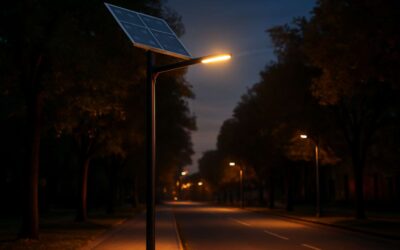
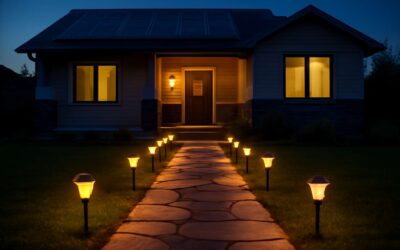
Pathway and driveway lighting with solar options
Evenings in South Africa deserve a glow that travels with you. A single sunlit hour can sing through the night when solar lights external take the stage—hands-free, maintenance-light, a portable promise. Light is a portable promise. In the spaces around doorways and driveways, style meets function with graceful restraint.
Here are styles that fit pathway and driveway ambitions.
- Solar bollard lights along the driveway
- In-ground LED path markers
- Step lights on stair treads
- String lights for fences and pergolas
These options illuminate at dusk and dim to a welcomed glow by dawn, weaving safety with scenery along South African lanes.
Security, entryways, and perimeter lighting
South Africa’s nights feel like whispered secrets, and solar lights external stand as quiet sentinels. When the sun yields, their glow becomes a watchful presence, guiding footsteps and fending off shadows with a courteous, sun-grown resolve.
For security and entryway drama, these styles shine.
- Solar wall lanterns at doors
- Perimeter bollards along fences
- Motion-activated flood lights
- Step lighting for entry stairs
These choices weave safety with curb appeal, shadowing courtyards and gateways with a restrained radiance. Perimeter lighting along the fence lines delivers peace of mind without clutter, their glow tracing lines of protection that feel as old as night and as new as morning.
Garden accents, focal points, and plant-friendly solar lighting
Garden accents become art when solar-powered light threads weave through foliage, highlighting sculptural trunks and weathered stone. At night, a gentle glow turns borders into backstage drama, while courtyards breathe with a restrained, coastal-chic confidence—right here in South Africa.
For focal points, a single beam can kiss a notable plant, a statue, or a prized bloom, letting it tell the yard’s story without shouting. Plant-friendly solar lighting matters here—warm tones, soft beam spreads, and fixtures that sit among leaves without drying the mood.
These garden accents prove that bold doesn’t have to be loud—it’s about precision, texture, and shadow. solar lights external weave personality into borders, patios, and courtyards.
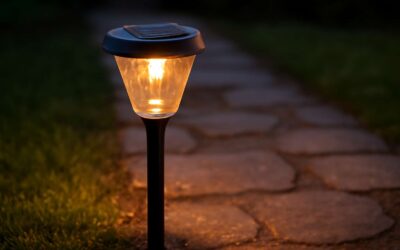
- Stake lights along winding beds
- Low-profile ground washers by stepping stones
- Spotlights for sculptural focal points
Creative landscape design with solar lighting
Night writes the last page of every garden, and in South Africa, 68% of new outdoor projects feature solar lights external as a quiet design voice. They don’t shout; they shape. A meandering path glows softly, weathered stone gains edge, and a courtyard breathes with restrained charm, like a coastline settled into shadow.
Styles shift with mood: coastal terraces glow with warm amber the way a lantern fogs over salt air; modern courtyards favor clean lines and precise beams; woodland nooks invite fixtures that nestle among leaves without stealing the scene.
- Pathway phantoms: low-glow guides that disappear into the border
- Accent uplights: sculptural beams for statues or textures
- Plant-friendly washes: diffuse light among foliage
Whatever the setting, these lights lend narrative to borders, steps, and seating—turning ordinary nights into an unfolding drama.
Installation, placement, and maintenance of solar lights external
Optimal placement for sun exposure and shade
Evenings in South Africa linger longer, and a well-placed glow can rewrite a yard’s story. With roughly 2,500 hours of sunshine each year, solar lights external turn daylight hours into nightly ambience, charging by day and lighting by night.
Placement matters. Seek positions that maximize uninterrupted sun exposure and minimize shade from walls, trees, or eaves. A balanced distribution across entrances, pathways, and focal plantings keeps the scene fresh without overpowering it.
Maintenance is light yet essential: a quick lens wipe and a seasonal check for debris keeps the beam clear. When a unit goes dim, it’s a whisper that the sun has to do some heavier lifting—opt for solar lights external that age gracefully and fit your space. That quiet glow can transform a patio and welcome guests as dusk settles!
Mounting options: staking, walls, and posts
Installation, placement, and maintenance of solar lights external demand a mindful, almost ritual approach. In SA yards, I start by mapping sun arcs and choosing spots where the beam can reach pathways, entrances, and focal plants by nightfall. Mounting options: staking, walls, and posts give you architectural control without clutter. The glow should feel effortless, not forced—an intimate, practical magic that follows the sun home.
- Staking into the soil for beds and borders, keeping fixtures near ground level.
- Wall mounting for eaves and fences where glare is muted.
- Post mounting for gates and entryways, creating a formal glow along paths.
Maintenance remains light but essential: a quick lens wipe and a seasonal debris check keep the beam crisp. When brightness dips, reassess sun exposure, clean seals, and ensure mounting remains secure—these small acts preserve the system’s quiet, enduring glow.
Maintenance, cleaning, and troubleshooting common issues
In SA, a recent survey finds 68% of homeowners prefer solar lights external for safe, welcoming evenings. Yards glow differently as dusk settles—so install with the sun’s arc in mind, avoiding glare on entrances and letting pathways breathe with a quiet, practical magic.
Installation and placement blend function with restraint. Gateposts, walls, and beds become stages for subtle illumination; choose heights that blend with architecture and avoid harsh hotspots.
- Wipe the lens with a soft cloth to keep brightness crisp
- Check seals and mounting to prevent moisture ingress
- Clear leaves or debris that shade the solar panel
The result is a seamless, architectural glow that feels effortless.
Maintenance remains light: a seasonal dusting and quick checks keep the beam crisp. Troubleshooting common issues stays a matter of observation—reassess sun exposure, notice shading and leakage, and note any sensor or duration changes. The glow should endure, unobtrusive yet sure.
Energy savings, costs, and sustainability of solar lights external
Estimated energy savings and return on investment
solar lights external offer a nightly glow powered by the day’s sun, a beacon of efficiency in South Africa’s arid summers. In many homes, switching to solar reduces outdoor lighting energy use dramatically, often by up to 60%, trimming electricity bills and curbing peak demand on the grid.
- Low running costs with no monthly power bills
- Daytime charging aligns with typical sun hours
- LED efficiency and long battery life minimize maintenance
From a sustainability perspective, these outdoor options extend a product’s life cycle, reduce material waste, and avoid fossil-fuel emissions tied to generator or grid lighting. While upfront costs exist, the total cost of ownership tends to fall within a few seasons as energy savings accumulate.
Cost ranges, comparing upfront price vs long-term value
In a sun-drenched landscape like South Africa, solar lights external turn daylight into a nightly glow and slash electric bills—often cutting outdoor lighting costs by up to 60%.
Upfront prices vary with style and size. Entry kits start around R300–R1,500, mid-range sets sit around R1,500–R5,000, and premium installations can push toward R12,000. The long-term value shines brightest: the absence of monthly power bills and a lifecycle that stretches years, not months.
- Upfront price range: roughly R300–R12,000, depending on scope
- Operating costs: virtually zero monthly power bills
- Sustainability payoff: longer life, fewer materials wasted
From a sustainability lens, these fixtures extend product lifecycles, reduce waste, and sidestep fossil-fuel emissions tied to grid lighting. Under South Africa’s sun, you gain reliability and a gentler footprint.
Environmental impact and sustainability of solar lighting
South Africa enjoys roughly 2,500 hours of sun a year, and solar lights external turn that daylight into a dependable after-dark glow while trimming grid demand. Over the long arc, the savings show up as lower electricity costs and fewer interruptions from outages. The upfront investment varies with style and scale, but the long-term value is consistent: you pay for light, not power bills.
Energy savings come from the off-grid design: no ongoing consumption from the grid, and intelligent charging during sun-hours. Operational costs sit at a crawl—virtually zero monthly bills—with only occasional battery servicing and routine cleaning to sustain performance.
From a sustainability lens, these fixtures extend lifecycles and curb waste by favouring repairable, modular components. In South Africa’s sun, they deliver reliable lighting with a gentler footprint than grid options.
Common myths about solar lights external debunked
Solar lights external turn daylight into a dependable after-dark glow, a quiet revolution for South Africa’s evenings. With off-grid charging and intelligent sensors, these fixtures sip power from the sun and shield you from grid interruptions while lowering monthly electricity costs.
Upfront costs vary by design and scope, but the long-term math remains consistent: you buy light, not power. In a sun-rich climate, the payback period shortens, and maintenance stays minimal thanks to modular, repairable components.
Common myths crumble under a sunny South African sky:
- Myth: they don’t work on cloudy days. Reality: modern cells store energy for overcast conditions and long nights.
- Myth: they’re prohibitively expensive. Reality: lower operating costs offset initial spend over a few years.
- Myth: they require constant maintenance. Reality: routine cleaning and occasional battery checks keep performance steady.
Future trends in solar exterior lighting
The sun is a patient, inexhaustible ally, and its glow powers more than just plants: it fuels outdoor living with solar lights external. In SA’s sun-drenched neighborhoods, energy savings come from off-grid charging and efficient LEDs that sip power from daylight, dramatically lowering grid dependence and monthly bills while cutting maintenance with modular, repairable design.
Over the long arc, upfront costs translate to enduring value—the investment is in light, not always in power. With longer battery lifecycles and better efficiency, the sustainability story grows brighter, reducing embodied energy and waste while delivering reliable illumination through seasons.
- Modular, repairable components ease long-term upkeep
- Smart sensing and dimming optimize energy use in real time
- Design-forward housings blend with landscape and wildlife-friendly color temperatures
Future trends in solar exterior lighting promise brighter longevity, smarter controls, and kinder environmental footprints for South Africa’s outdoor rooms.

0 Comments